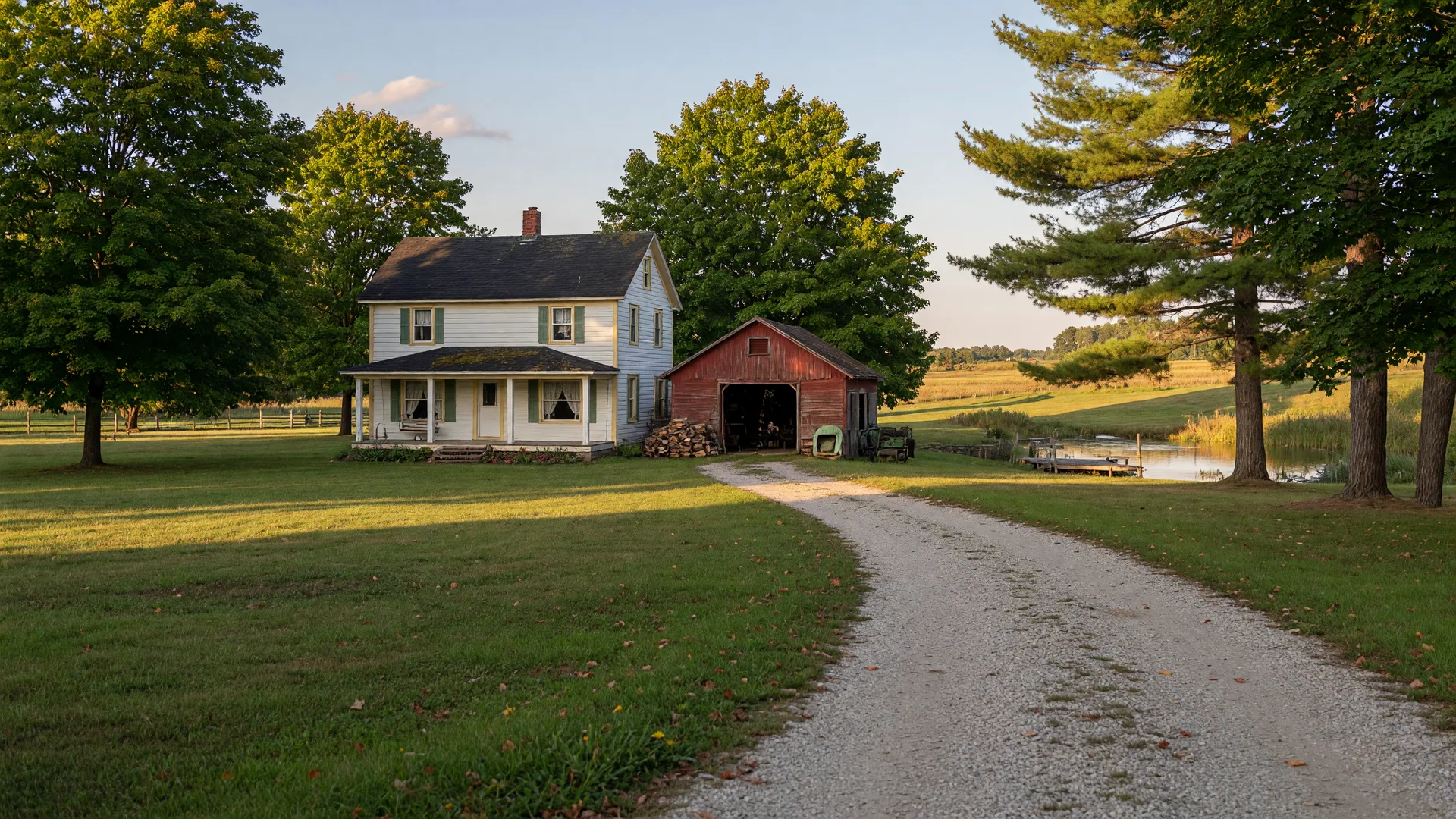
If you are buying a rural home in Durham Region, here is what you need to know about septic systems. Septic systems handle wastewater for properties not connected to municipal sewers, and most homes in Port Perry, Brock Township, and rural Uxbridge rely on them. Understanding how they work, what inspections cost, and when replacement is needed can save you tens of thousands of dollars and prevent a stressful closing.
Key Takeaways
- A pre-purchase septic inspection costs $300 to $600 and can save you $15,000 to $40,000 or more by identifying a failing system before you buy.
- Brock Township has mandatory septic inspections every five years for properties within 100 metres of Lake Simcoe. All other rural Durham Region properties rely on voluntary inspections during a home sale.
- A well-maintained septic system lasts 20 to 40 years. Regular pumping every 3 to 5 years and proper usage are the most important factors in extending its lifespan.
- Always include a septic inspection condition in your offer and request the septic file from the Durham Region Health Department for as-built drawings and permits.
Why Septic Systems Matter for Durham Region Homebuyers
If you are looking at country properties in Durham Region, chances are you will encounter a septic system. Unlike homes in towns and cities that connect to municipal sewer lines, rural properties rely on an on-site sewage system to treat and dispose of household wastewater. These systems are regulated under Part 8 of the Ontario Building Code and administered locally by the Durham Region Health Department.
For many first-time rural buyers, a septic system is an unfamiliar piece of the homeownership puzzle. But it is one of the most important components of any country home. A functioning septic system keeps your property safe, clean, and compliant with regulations. A failing one can be expensive, stressful, and even a deal-breaker when you go to sell.
In our decades helping families buy and sell homes in Port Perry, across Brock Township, and throughout rural Uxbridge, we have seen too many buyers skip the septic inspection and regret it. This guide covers everything you need to know to make a confident, informed purchase.
How a Septic System Works
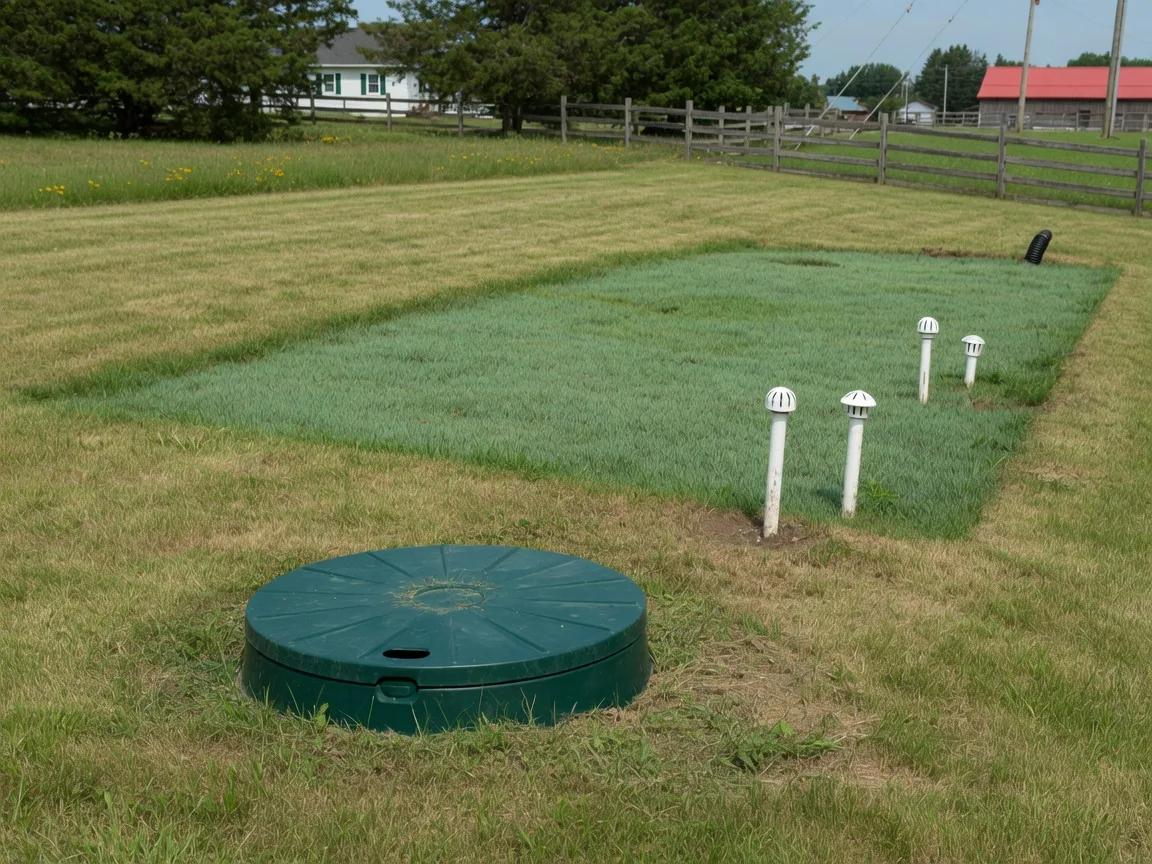
A standard septic system has three main components: the septic tank, the leaching bed (also called a drainfield), and the soil beneath it. Wastewater from your home flows into the tank, where solids settle at the bottom and oils and grease float to the top. Bacteria inside the tank break down the solid waste over time. The liquid portion, called effluent, then flows out into the leaching bed, where it is filtered through layers of gravel and soil before safely returning to the groundwater.
The most common type across Durham Region is a Class 4 septic tank and leaching bed system. Its size is determined by the number of bedrooms in the home, because more bedrooms mean more people and more daily water use. A 3-bedroom home, for example, typically requires a larger system than a 2-bedroom home.
Some newer or upgraded properties may have an advanced treatment system that provides additional processing before the effluent reaches the leaching bed. These are more expensive to install and maintain but can be required in areas with sensitive soils or near water sources.
Septic System Inspections: What Buyers Need to Know
Are Septic Inspections Required in Durham Region?
Ontario does not have a provincial law that requires a septic inspection every time a home is sold. However, there is one important exception in Durham Region. The Township of Brock was mandated by the Province to inspect all septic properties located within 100 metres of Lake Simcoe and within the Lake Simcoe watershed. These mandatory inspections started in 2013 and require all systems in this zone to be inspected every five years. If you are buying a waterfront property on the shores of Lake Simcoe in Brock, the system must have a valid inspection on file.
Outside of Brock's mandatory inspection zone, the decision to inspect falls to the buyer. While no law requires it, major Canadian lenders increasingly require proof of a functioning, compliant septic system before they will approve financing on a rural property. Even if your lender does not require it, a pre-purchase inspection is one of the smartest investments you can make.
A standard septic system inspection in Ontario costs between $300 and $600. This includes pumping the tank, inspecting all components, testing the leaching bed, and providing a written report. Compare that to the cost of replacing a failed system, which ranges from $15,000 to $40,000 or more depending on the property size, soil conditions, and system type. The math is clear: an inspection is a fraction of the cost of a replacement.
What a Septic Inspection Covers
A thorough septic inspection by a licensed contractor will cover the following:
- Records of past pumping, maintenance, and repairs
- System age and whether original permits and as-built drawings are on file
- Tank condition, including walls, baffles, compartments, and the lid
- Pump chamber and alarm function (if the system has a pump)
- Leaching bed condition, looking for signs of saturation or failure
- Clearance distances from the septic system to wells, property lines, buildings, and water bodies
- Signs of surface failure like pooling water, lush grass over the leaching field, or odours
Septic System Maintenance and Lifespan
A well-maintained septic system in Ontario typically lasts 20 to 40 years. The lifespan depends on several factors: the quality of the original installation, the soil type on the property, how many people live in the home, and how well the system is cared for over time.
The single most important maintenance task is regular pumping. Septic tanks need to be pumped every 3 to 5 years to remove the accumulated solids that settle at the bottom. If the tank is not pumped regularly, solids can flow into the leaching bed and clog the soil pores, eventually causing the entire system to fail. Pumping typically costs $250 to $500, a small price for extending the life of your system by decades.
Other important maintenance habits include avoiding harsh chemicals, not flushing non-biodegradable items (wipes, feminine products, cigarette butts), keeping vehicles and heavy equipment off the leaching bed, and directing roof downspouts and surface water away from the septic area. The Durham Region Health Department provides a helpful guide to septic system care and maintenance for homeowners.
Septic Systems and Your Home Purchase: A Step-by-Step Process
1 Request the Septic File
Before making an offer, ask the seller for any septic records they have. Then request the official septic file from the Durham Region Health Department. This includes as-built drawings, permits, and any past inspection records. Having this documentation before you make an offer gives you a clear picture of what you are dealing with.
2 Include a Septic Condition in Your Offer
Always include a septic inspection condition in your offer to purchase. Your real estate agent will help you draft the right wording. The condition gives you the right to have the system inspected by a licensed contractor within a specified time frame. If the inspection reveals a problem, you can negotiate repairs, a price adjustment, or walk away from the deal.
3 Hire a Licensed Septic Contractor
Do not rely on a general home inspector for the septic evaluation. Hire a licensed septic contractor who specializes in on-site sewage systems. They will pump the tank, inspect every component, and provide a detailed written report that you can use in your negotiations. The $300 to $600 cost is money well spent.
4 Review the Results and Negotiate
If the inspection identifies issues, you have options. For minor repairs, the seller may agree to fix them before closing. For major problems like a failed leaching bed, you may negotiate a significant price reduction or ask the seller to replace the system before closing. Your agent will guide you through the negotiation based on the severity of the issues and the local market conditions.
For first-time rural buyers, this process can feel daunting. That is why working with an experienced local agent who knows the ins and outs of rural property transactions is so important. We have guided hundreds of buyers through septic inspections and rural purchases across Port Perry, Brock, and Uxbridge. Our guide to what your budget buys across Durham Region also covers the rural properties where septic systems are most common.
Waterfront Properties and Septic Systems
Waterfront properties come with additional septic considerations. Properties on Lake Scugog, Lake Simcoe, and other water bodies in Durham Region are subject to stricter environmental regulations because of their proximity to sensitive waterways. This is why Brock Township's mandatory inspection program targets properties within 100 metres of Lake Simcoe.
If you are buying a waterfront home, the clearance distances between your septic system and the water are particularly important. The Durham Region Health Department enforces specific minimum distances that must be maintained. A system that is too close to the water may need to be upgraded or relocated, which can be a major expense.
Waterfront buyers should also ask about the property's shoreline type and water quality, topics we cover in our waterfront buying guide. If you are specifically looking at Lake Scugog properties, our guide to moving to Port Perry includes insights on waterfront living in that area.
Looking at rural properties in Durham Region? We can help you navigate the septic inspection process and find the right country home for your family. Book a free consultation to talk about what you are looking for.
Book a Free ConsultationSeptic System Replacement Costs in Durham Region
Replacing a septic system is one of the most expensive home repairs a rural property owner can face. In Durham Region, the cost of a full replacement typically ranges from $15,000 to $40,000 or more. Here is what affects the final price:
- Soil conditions: Properties with poor soil percolation (how fast water drains through the soil) may require a larger leaching bed or an advanced treatment system, increasing costs significantly.
- System type: A standard Class 4 septic system is the most affordable option. Advanced treatment systems or systems with sand filters and pumps cost more.
- Property access: If the septic system is located in a hard-to-reach area, excavation costs go up. Large trees that need to be removed or worked around also add to the expense.
- Permits and inspections: A building permit from the Durham Region Health Department is required for any new septic installation, and there are fees for permits and final inspections.
Knowing these potential costs before you buy is why a pre-purchase inspection is so valuable. If the system is near the end of its life or showing signs of failure, you can factor the replacement cost into your offer. Often, the best outcome is negotiating with the seller to have the system replaced before closing, so you move into a property with a brand-new, warrantied system.
Well Water and Septic: The Rural Property Package
Most rural properties in Durham Region that use a septic system also rely on a well for drinking water. These two systems are independent but closely related. A failing septic system can contaminate your well water, posing serious health risks. That is why the clearance distances between the septic system and the well are strictly regulated by the Durham Region Health Department.
When you buy a rural property, it is wise to test both the well water quality and the septic system at the same time. A water quality test checks for bacteria, nitrates, and other contaminants that could indicate a septic problem. Most lenders now require a clear water test before approving financing.
The Durham Region Health Department offers well water testing services and maintains detailed guidelines for both septic system installation and well maintenance. You can also request property-specific information from the Health Department about any rural property you are considering.
Frequently Asked Questions About Septic Systems
Do I need a septic inspection when buying a home in Durham Region?
How much does a septic system inspection cost in Ontario?
What does a septic inspection cover in Durham Region?
Are there mandatory septic inspections in Brock Township?
How long does a septic system last in Ontario?
Keith Williams
Broker, Willows Realty Group at Royal LePage Frank Real Estate. With 30+ years in Durham Region real estate, Keith and his partner Lisa C. Follows have helped over 1,000 families buy and sell homes across Port Perry, Uxbridge, Brock, and beyond. They hold advanced designations including Master Certified Negotiation Expert (MCNE), Certified Luxury Home Marketing Specialist (CLHMS), and Seniors Real Estate Specialist (SRES).
About Keith & LisaNever Miss a Story
Add us as a Preferred Source on Google to see more of our content in AI Mode and AI Overviews.
Add as a Preferred Source