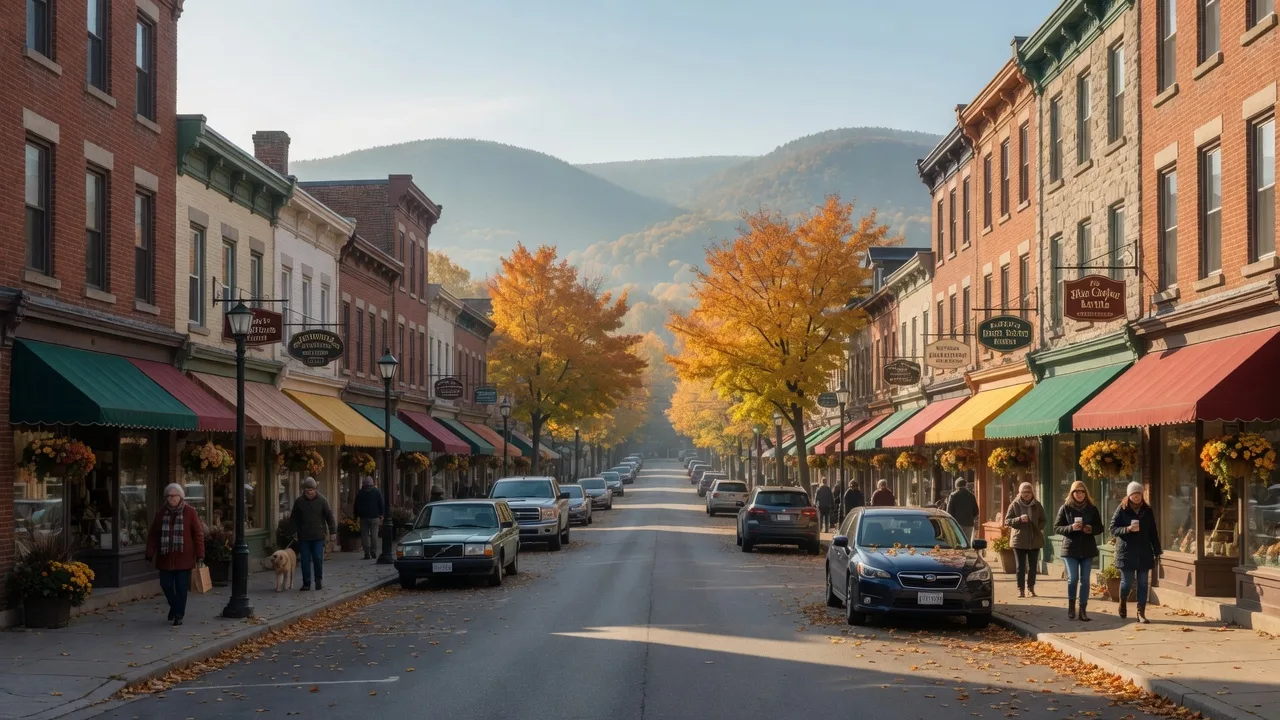
What is it like to move to Uxbridge, Ontario? Moving to Uxbridge means joining a township of about 21,556 people in the northeastern corner of Durham Region, known as the Trail Capital of Canada for its network of more than 220 kilometres of multi-use trails across the Oak Ridges Moraine. New residents choose Uxbridge for the heritage downtown on Brock Street, the strong public and Catholic schools, the equestrian country estates, and the trail lifestyle, and they trade a longer commute to Toronto for space, nature, and small-town character.
Key Takeaways
- Uxbridge Township is home to about 21,556 people (2021 Census) across roughly 420 square kilometres in northeastern Durham Region, with a walkable heritage downtown on Brock Street at its heart.
- Uxbridge homes averaged about $1.19 million at the end of 2025 per TRREB data, roughly 40 percent above the Durham Region average, with village homes, family subdivisions, and country estates spanning most of the range.
- The trail network is the defining feature: more than 220 km of multi-use trails through the Durham Regional Forest and along the Oak Ridges Moraine make Uxbridge the Trail Capital of Canada.
- Schools include Uxbridge Secondary School, Uxbridge Public School, Joseph Gould Public School, Quaker Village Public School, and St. Joseph Catholic School through the Durham public and Catholic boards.
- The trade-off is the commute: about 75 km from Toronto, roughly 50 minutes to an hour by car via Highway 407, or GO Transit bus routes 70 and 71 toward Union Station.
Moving to Uxbridge: What to Know First
Uxbridge sits in the northeastern corner of Durham Region on the Oak Ridges Moraine, a rolling landscape of hills, forests, and farmland about 75 kilometres northeast of Toronto. The 2021 Canadian Census counted 21,556 residents across roughly 420 square kilometres, and the township has grown steadily as families, remote workers, and retirees discover what the Trail Capital of Canada has to offer.
The township is really two places in one. There is the village of Uxbridge itself, with its heritage downtown on Brock Street, Elgin Pond, schools, and the walkable amenities that anchor everyday life. Around it spread thousands of hectares of countryside, horse farms, and estate properties, where the trail network connects the Durham Regional Forest, the Oak Ridges Moraine, and the Trans Canada Trail. Our Uxbridge community guide covers the town in depth, and the Township of Uxbridge publishes official information on its municipal website for anyone researching the move.
One thing to know before you visit: Uxbridge looks and feels different from the rest of North Durham. Where Port Perry sits on the water and Brock surrounds lakes and farmland, Uxbridge is hill country, with protected Moraine land, working equestrian farms, and a network of trails that gives the township its identity. Buyers who love it tend to love it immediately, so it is worth spending a day walking Brock Street, circling Elgin Pond, and driving the country roads before you start looking at houses.
What Is It Like to Live in Uxbridge, Ontario?
Daily life in Uxbridge revolves around a compact, walkable downtown. Brock Street West is lined with heritage buildings holding independent shops, cafes, restaurants, and professional offices, and it feels lived-in in the best way, with regulars who know each other by name. Restaurants like Urban Pantry, a family-run farm-to-table dining room, and The Second Wedge Brewing Co., a craft brewery in a converted warehouse, anchor the gathering places that make the main street feel like a community.
The Uxbridge Farmers Market runs Sundays from 9 a.m. to 2 p.m., May through October, in the parking lot of The Second Wedge on Victoria Street, with more than 50 local farmers, bakers, and artisans, then moves indoors to the Uxbridge Arena for winter and holiday markets. The community calendar fills the rest of the year: the Uxbridge Studio Tour in the fall, Canada Day celebrations at Elgin Park, the Uxbridge International Ride and Drive weekend for electric vehicles, and the Santa Claus Parade in December.
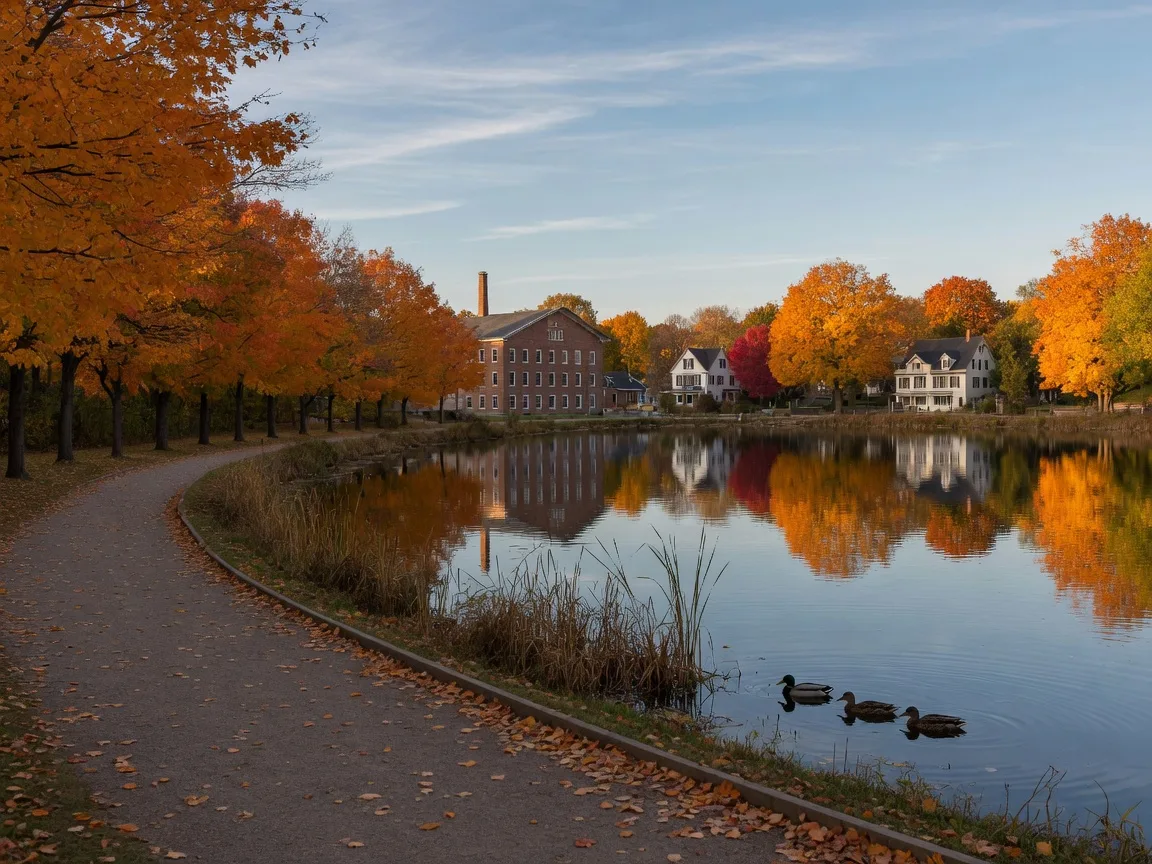
At the centre of it all is Elgin Pond, the historic mill pond at Main Street South and Mill Street. Families walk the Elgin Park path around the water, the Rotary Bandshell hosts summer concerts, and in winter the pond becomes a public skating rink. It is the kind of ordinary, beautiful detail that makes residents smile, and it is one of the reasons people who move to Uxbridge for the location stay for the life.
Uxbridge Neighbourhoods: Where to Start Your Search
The village core is where most newcomers start. Heritage homes, century houses, and tree-lined streets sit within walking distance of Brock Street, Elgin Pond, and the elementary schools, and it is the closest thing North Durham has to a true main-street town. Detached and semi-detached village homes plus a few smaller bungalow pockets make up most of the inventory, and they are the most practical option for buyers who want to park the car and live locally.
Beyond the village, the township breaks into distinct countryside pockets. South and west toward Goodwood and the Durham Regional Forest, buyers find acreage lots, estate homes, and equestrian properties set into the Moraine hills, the segment we cover in our guide to estate homes on acreage in North Durham. North toward Leaskdale, the countryside opens into farming country, with century farmhouses and hobby farms, and the hamlet of Leaskdale holds one of Ontario's best literary secrets: the manse where author Lucy Maud Montgomery lived and wrote for 15 years.
Equestrian buyers have their own map of Uxbridge. Horse farms, boarding facilities, and direct trail access from the Moraine make this one of the strongest equestrian markets anywhere near the GTA, and it is common for buyers to search with a trailer and a turnout in mind. If you are coming from a city and buying in the countryside, read our guide to country living in Durham Region first, since well water, septic, and heating realities apply to most rural Uxbridge properties.
How Much Do Homes Cost When Moving to Uxbridge?
Uxbridge is one of the most expensive corners of Durham Region. According to Toronto Regional Real Estate Board data reported in January 2026, Uxbridge homes averaged about $1,190,682 in December 2025, roughly 40 percent above the Durham Region average of $844,473, and the gap has held all year. The TRREB market statistics page tracks the numbers by community every month.
The range inside the township is wide. Village homes and newer subdivisions often fall in the $900,000 to $1.2 million range, which is where most family buyers land. Move to the countryside and the picture changes quickly: the TRREB community report for the third quarter of 2025 put the Uxbridge average at about $1,250,949 with a median of $1,175,000, and rural Uxbridge on its own averaged about $1,535,683, reflecting the estate market on acreage. For context on what your budget buys across the region, our guide to what $800,000 buys across Durham Region is a useful starting point, and our real cost of homeownership analysis adds the carrying costs on top of the price.
Because supply is thinner than in the lakeshore towns, well-priced Uxbridge homes can attract multiple offers quickly, especially in the village and on horse-friendly acreage. That makes preparation and pricing strategy matter more, not less, and it is why we recommend a current comparables analysis before any offer, not a guess based on listings that are still for sale.
Schools and Family Life in Uxbridge
Uxbridge families are served by the Durham District School Board and the Durham Catholic District School Board. The local schools are Uxbridge Secondary School for Grades 9 to 12, plus Uxbridge Public School, Joseph Gould Public School, and Quaker Village Public School for elementary students, and St. Joseph Catholic School, with Catholic secondary students typically attending schools in the Oshawa or Whitby area. Rural students are bused into the village schools, and the DDSB added an English junior and senior kindergarten program at Uxbridge Public School for September 2026.
Our Durham District School Board guide lists the secondary schools across the region, and the schools and family guide covers parks, recreation, and programming. Catchment boundaries do shift, so we always verify the school assignment for a specific address directly with the board before a purchase.
Outside of school hours, family life in Uxbridge runs outdoors. The trail network is the after-school destination for biking and hiking, Elgin Park has playgrounds and open space, the Uxbridge Arena and the Uxbridge Youth Centre run programs through the winter, and the Uxbridge Public Library anchors the downtown. It is a safe, slow, neighbourly place where kids ride bikes and families know each other by name, which is exactly the trade many parents are looking for.
The Commute: Getting to Toronto From Uxbridge
The commute is the honest trade-off of Uxbridge living. The drive to Toronto is about 75 kilometres and typically takes 50 minutes to an hour, with Highways 7 and 12 leading south to the Highway 407 corridor, and Highway 407 access sitting south of town rather than in it. Many residents commute to Oshawa, Whitby, or Markham instead, which is a more reasonable daily trip, and the growing number of remote and hybrid workers has made the trade much easier to make.
Public transit is better than most people expect. GO Transit bus routes 70 and 71 serve Uxbridge directly, with route 71 running to Union Station in Toronto in about an hour and a half, and riders can transfer at Mount Joy GO or Old Elm GO for Stouffville line trains. There is no GO train station in Uxbridge itself, and Durham Region Transit route 905 connects the town to Whitby for links deeper into the region. The current schedules are on the GO Transit website, and our commuting guide for Durham Region compares the options town by town.
The Trails, Parks, and Landmarks That Define Uxbridge
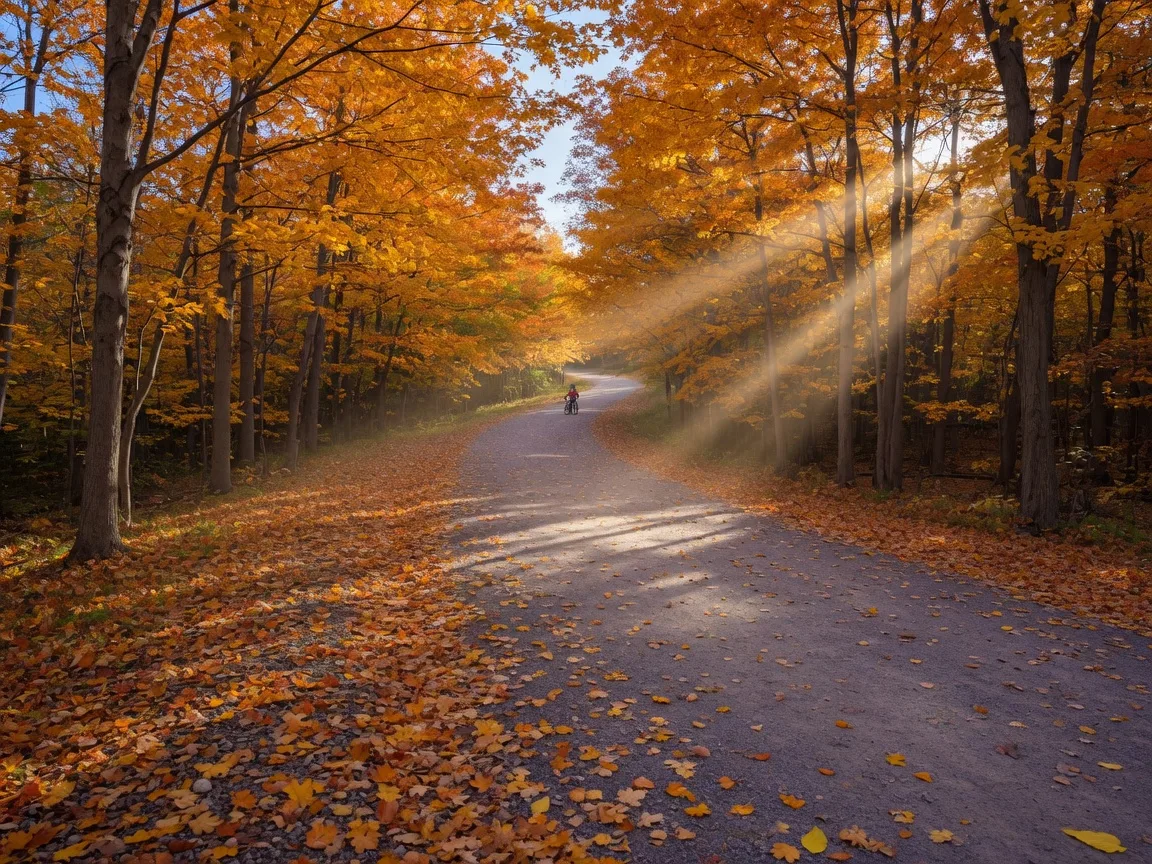
More than 220 kilometres of multi-use trails make Uxbridge the Trail Capital of Canada, a title the town wears with real justification. The network winds through the Durham Regional Forest, a protected woodland of more than 1,200 acres west of town, along the Oak Ridges Moraine, and onto the Trans Canada Trail, offering hiking, mountain biking, horseback riding, cross-country skiing, and snowshoeing in every season. Buyers who live here lace up their boots from their own doorstep.
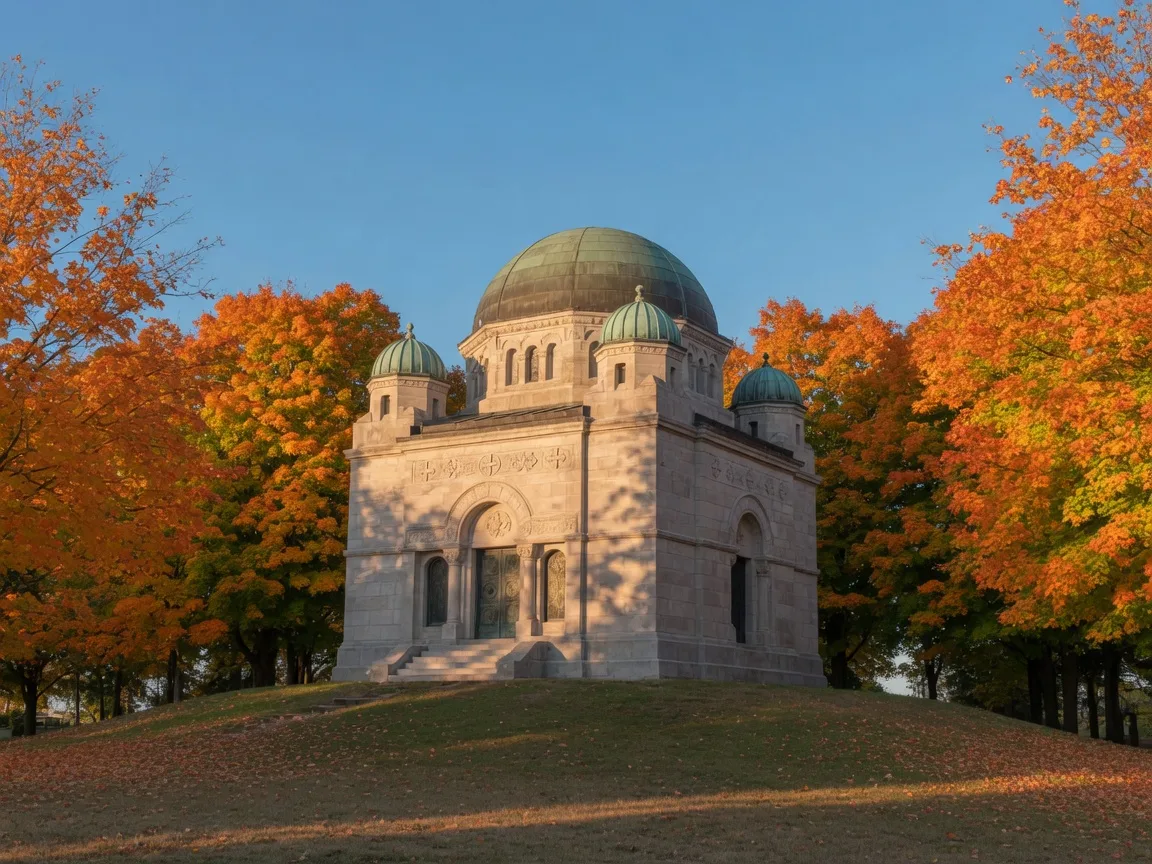
The other landmark you will hear about within a week of moving is the Thomas Foster Memorial, known locally as the Jewel on the Hill. Built in the 1930s on a hilltop just north of town on Durham Regional Road 1, the Byzantine-style mausoleum with its copper triple dome is one of Ontario's most unexpected sights, and it draws visitors from across the province. It is a perfect example of Uxbridge's character: quietly extraordinary, firmly local, and worth the drive.
In winter the network stays alive with groomed cross-country ski trails, and Elgin Pond freezes into a community skating rink. Spring brings the first trail runs and the farmers market outdoors, and summer is festival season. Whatever the calendar says, Uxbridge residents use their town, and the trails are the reason many of them moved here in the first place.
Uxbridge History: Quakers, Joseph Gould, and a Famous Author
Uxbridge's story starts with a small group of Quaker families who arrived from Pennsylvania around 1806 and settled on the hills north of the village. Their meeting house, built in 1820 on Quaker Hill, is the oldest surviving building in the township, and the Quaker values of community, industry, and quiet independence still shape the town's character. Joseph Gould, born in the township in 1808 to Quaker parents, bought the local mill in 1832 and went on to become a Reform politician and one of the most influential figures of early Ontario politics.
The literary claim to fame came later. From 1911 to 1926, Lucy Maud Montgomery, the author of Anne of Green Gables, lived at the Leaskdale Manse in the hamlet of Leaskdale, about 15 minutes north of downtown Uxbridge, while her husband served as the local Presbyterian minister. She wrote 11 books there, including several Anne sequels, and the manse is now a National Historic Site of Canada run by the Lucy Maud Montgomery Society of Ontario. The Uxbridge Historical Centre, a cluster of heritage buildings on the town's south edge, tells the rest of the story, from the mill era to the railway years, and is a wonderful first stop for new residents learning their town.
Is Uxbridge the Right Move for You?
Uxbridge suits buyers who want the character of a true country town with the convenience of a main street, and who are willing to pay North Durham's premium for it. It fits families drawn to the schools and the trail lifestyle, equestrian buyers looking for horse country near the GTA, and downsizers who want a walkable village with a pond, a farmers market, and neighbours who chat. It is less ideal if your work requires a daily drive into downtown Toronto: the distance is real, even if the quality of life makes it feel worth it.
The right move starts with the right information. Work through our buyer's checklist to see the full process, then book a free buyer consultation and we will show you current listings, recent sales, and what your budget actually buys in each corner of the township. You can also contact our team any time for a no-pressure conversation about your move.
Thinking about moving to Uxbridge? We will walk you through current listings, recent sales, and the realities of Moraine country living, so you can move with confidence.
Book a Free ConsultationFrequently Asked Questions About Moving to Uxbridge
What is it like to live in Uxbridge, Ontario?
How far is Uxbridge from Toronto?
What is the average home price in Uxbridge?
What schools serve Uxbridge?
Is Uxbridge a good place to raise a family?
Keith Williams
Broker, Willows Realty Group at Royal LePage Frank Real Estate. With 30+ years in Durham Region real estate, Keith and his partner Lisa C. Follows have helped over 1,000 families buy and sell homes across Port Perry, Uxbridge, Brock, and beyond. As the local curator of this guide, Keith knows the Uxbridge market from the heritage core on Brock Street to the horse country and trail network of the Oak Ridges Moraine.
About Keith & LisaNever Miss a Story
Add us as a Preferred Source on Google to see more of our content in AI Mode and AI Overviews.
Add as a Preferred Source