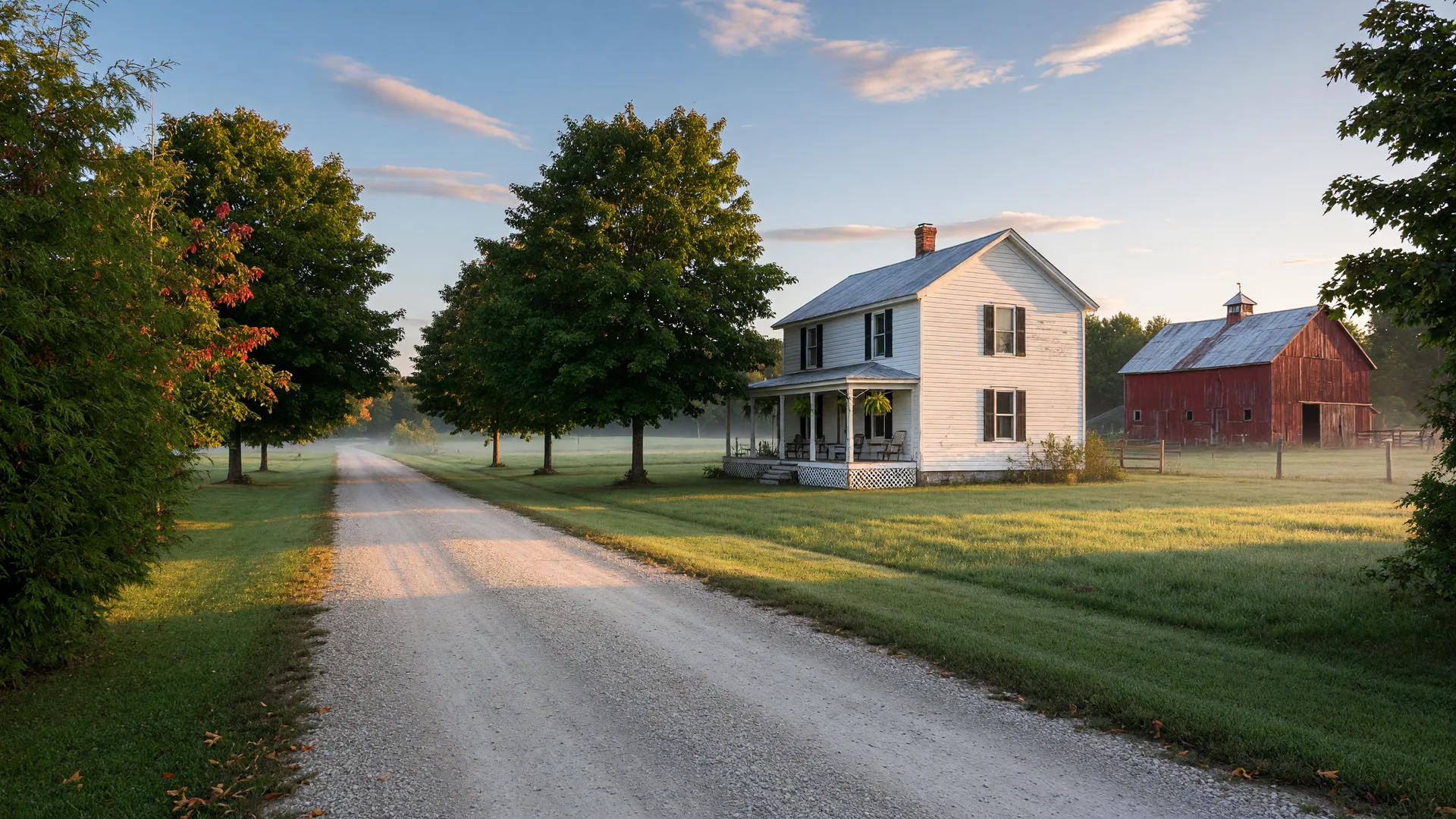
What is it really like to live in the country in Durham Region? For most families, it means trading a compact lot for acres of privacy, cleaner air, and a slower pace, while taking on real responsibilities such as well water, septic systems, and longer drives. About 8.3 percent of Durham Region residents live in rural areas, and most of that rural population is in the northern townships of Scugog, Brock, and Uxbridge. This guide walks through the honest benefits and challenges so you can decide whether country living fits your family.
Key Takeaways
- About 8.3 percent of Durham Region's population lives in rural areas, and the northern townships of Scugog, Brock, and Uxbridge are predominantly rural, with Port Perry, Blackstock, and Sunderland among the main country communities.
- Country properties come with real responsibilities: private wells, septic systems, and long driveways that need year-round upkeep. Budget for testing, maintenance, and winter care from day one.
- The commute is real: Port Perry is roughly 30 minutes from Oshawa and just over an hour from Toronto in good traffic, with Highway 7/12 running through town and Highway 35/115 to the south.
- For the right buyer, the trade-off is worth it: more space for your money, quieter streets, and a tight-knit community, which is why we help so many families find rural homes in Port Perry, Uxbridge, and Brock.
What Country Living Looks Like in Durham Region
Durham Region spans a large geographic area, and it is far more than the suburban streets of Pickering, Ajax, Whitby, Oshawa, and Clarington. The region's three northern townships, Scugog, Brock, and Uxbridge, hold most of its rural population. Together they account for roughly 8 percent of Durham's residents, according to the Durham Region Profile, but they cover a huge share of its land area, and much of that land is genuine countryside.
Port Perry, the seat of Scugog Township, sits on the shores of Lake Scugog and blends a charming downtown with acreage properties, waterfront lots, and hobby farms. The villages of Blackstock, Nestleton, and Greenbank add to Scugog's country character. Farther north, Brock Township includes the villages of Beaverton, Cannington, and Sunderland, with country properties on and around Lake Simcoe. To the west, Uxbridge Township is known as the Trail Capital of Canada, with rolling moraine country across the Oak Ridges Moraine.
Each of these areas has its own personality, and each draws different buyers. Our Port Perry and Scugog guide, our Brock Township guide, and our Uxbridge guide cover what it is like to live in each community, from schools to commute times to property types.
The Benefits of Country Living
Space and Privacy
On a country property, your nearest neighbour can be a field or a treeline away. You can garden, run a workshop, let the kids roam, and host a family gathering without worrying about the houses on either side. For buyers who work from home or simply value quiet, that privacy is often the single biggest reason they move out of town.
Many country lots in Durham Region come with one to ten acres or more, which means room for outbuildings, garages, hobby farming, and future additions. Zoning varies by township, so if you have a specific plan, such as keeping animals or building a shop, check the property's zoning before you buy.
More Home for Your Money
Country properties in Brock Township and rural Scugog often deliver more house, more land, and more garage for the same budget as a compact suburban lot closer to the 401. A price point that buys a narrow lot in a new subdivision can buy a detached home on an acre with a large shop or an older character home with a barn. For a sense of what different budgets get you across the region, our guide to what $800,000 buys across Durham Region compares the options in town and country.
A Community-First Pace
Life in the country moves at a different rhythm. The year follows the farmers market, the Port Perry Fair, community events, and the changing seasons on the lake. Neighbours look out for each other, and local connections run deep. For anyone moving up from the city, our guide to moving to Port Perry explains what to expect when you trade the 401 for rural routes, and our relocating to Durham Region page covers the bigger picture of making the move.
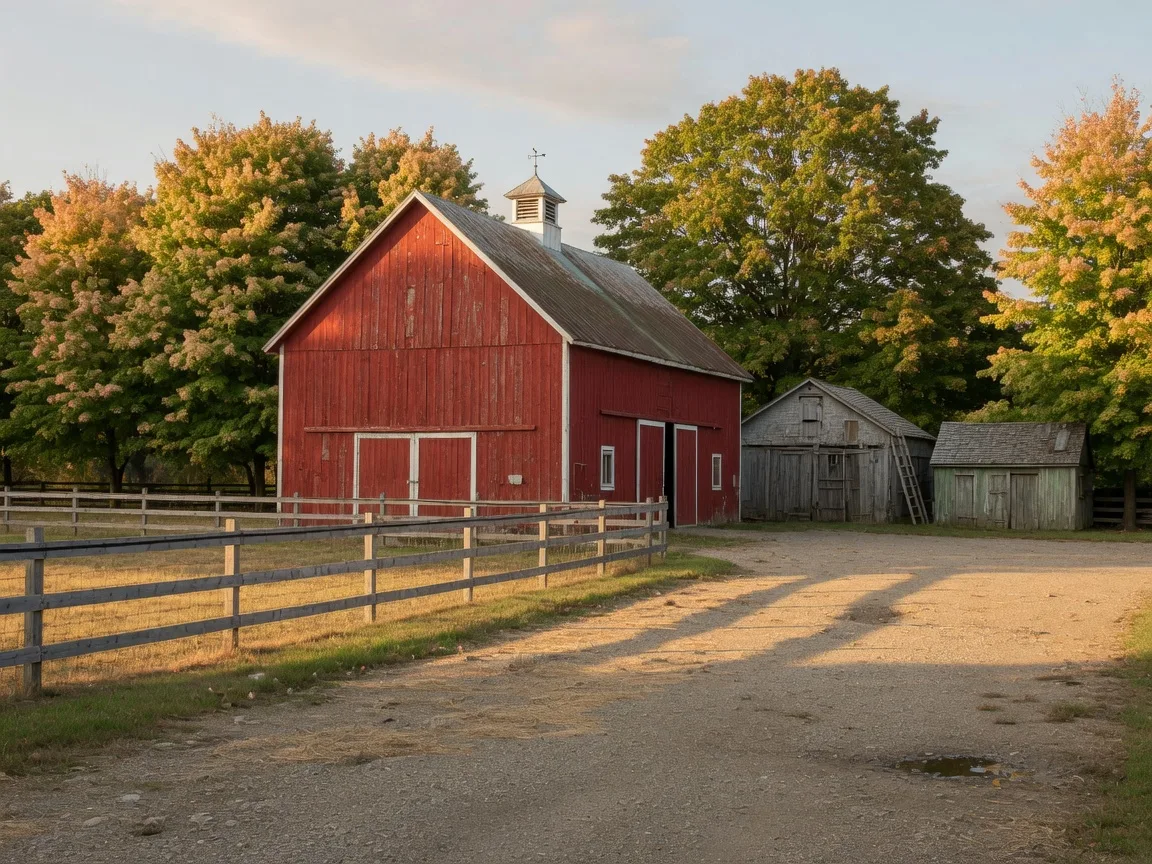
The Real Challenges of Country Living
Country living is not for everyone, and the challenges are real. Knowing them before you buy is what separates a smooth move from a stressful one.
Well Water Is Your Responsibility
Approximately 1.3 million Ontarians get their drinking water from private wells, according to the Office of the Auditor General of Ontario. Unlike municipal water, a private well is not tested or treated for you. You are responsible for testing it regularly, protecting the wellhead, and paying for any repairs.
The good news is that testing through the Durham Region Health Department is free, and the routine is simple. For a full breakdown of testing, treatment, costs, and winter care, read our complete well water maintenance guide for Durham Region homeowners.
Septic Systems Need Care
Most country properties handle wastewater with a septic system, and more than a million Ontario households rely on one, according to EcoHealth Ontario. A pre-purchase septic inspection costs a few hundred dollars and can save you tens of thousands by catching a failing system before you buy. Learn the signs of trouble and the inspection process in our septic system basics guide.
Commuting Takes Planning
Country living often means a longer commute. Port Perry is roughly 24 to 26 kilometres from Oshawa, a drive of about 30 minutes in normal traffic, and approximately 74 kilometres from downtown Toronto, about an hour and 10 minutes in good conditions. Highway 7/12 runs directly through Port Perry, and Highway 35/115 connects North Durham to the 401 at Newcastle.
If you commute regularly, test the drive at the times you would actually travel. Morning and evening peaks, school traffic, and winter weather can add significant time, and cell coverage on some rural routes is patchy. For many buyers, the trade is an easier lifestyle in exchange for a longer trip a few times a week.
Winter Is Different Out Here
A long gravel driveway is lovely in July and a responsibility in January. Country homeowners arrange snow removal for their lane, keep well components from freezing, and think about backup power when the hydro goes out, because a well pump stops working the moment the power does.
Plan for heating oil or propane in many rural homes, plow contracts, and a generator if you rely on well water and sump pumps. None of this is a reason to avoid country living, but it is a reason to budget for it.
Services Take a Little More Effort
Rural addresses have their own quirks: no curbside garbage pickup in every township, longer delivery windows, and internet and cell coverage that varies street by street. Many rural properties now have high-speed internet through fixed wireless or fibre, and satellite options work almost anywhere with a clear sky. Before you buy, check the exact address with providers, especially if you work from home.
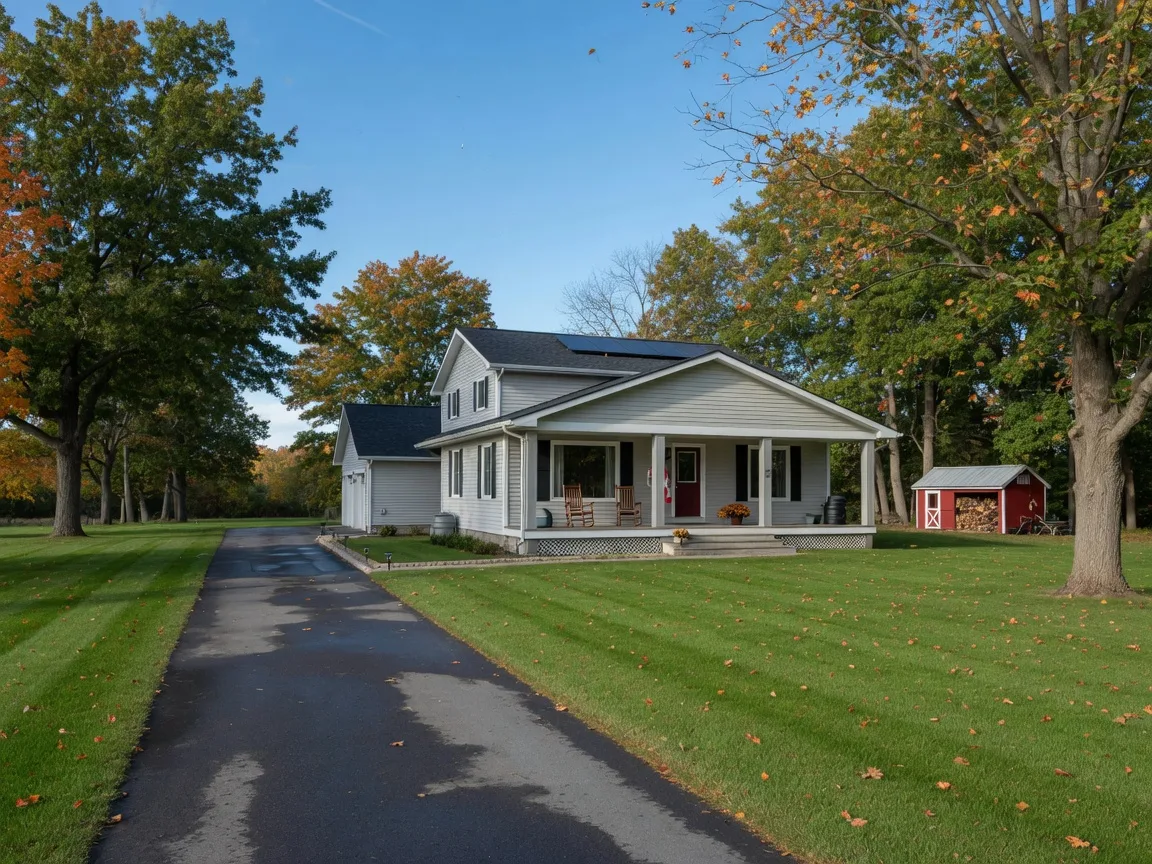
What Country Living Really Costs
Beyond the purchase price, country ownership comes with ongoing costs that town living hides. Here is a realistic picture based on current rates across Durham Region:
| Item | Typical Cost |
|---|---|
| Well water testing (Durham Region Health Department) | Free, recommended 3 times per year |
| Comprehensive private water test | $200 to $500 |
| Pre-purchase septic inspection | $300 to $600 |
| Septic system replacement | $15,000 to $40,000 |
| New well drilling | $5,000 to $15,000 |
| Water softener installed | $800 to $2,500 |
| Snow removal contract for a long lane | $400 to $1,500 per season |
| Heating (propane or oil) for an average country home | $1,500 to $3,500 per year |
These are planning numbers, not promises, and every property is different. The key is to build them into your budget before you commit, so the lifestyle you want does not come with surprises.
Is Country Living Right for You?
There is no single right answer, only the right answer for your family. Before you start looking at rural properties, ask yourself these questions:
- How much do I value privacy and outdoor space compared with proximity to services?
- Am I comfortable being responsible for my own water and wastewater systems?
- How often do I commute, and what can my family tolerate?
- Do I want room for hobbies, animals, gardens, or a shop?
- Am I prepared for winter maintenance on a lane and possible power outages?
Country living tends to suit families who want room to grow, downsizers who want more nature and less upkeep, hobby farmers, and buyers who work flexibly or locally. If you love the idea of a private lane, mature trees, and a community that looks out for each other, it is worth a serious look.
Buying a Country Property: Our Advice
Over 30 years of helping families buy and sell rural homes in Durham Region, we have learned what separates a smooth country purchase from a stressful one. Start with a buyer's checklist that covers every step, and work with a local agent who knows the difference between a well on the Oak Ridges Moraine and a well near farmland.
Make your offer conditional on a well water test, a septic inspection, and a home inspection by someone experienced with rural properties. Confirm the driveway right of way, zoning, and service providers before you commit. And if waterfront is on your wish list, our 10 questions every waterfront buyer should ask will save you from costly assumptions about shoreline and access.
Country living in Durham Region is a genuine lifestyle change, one that thousands of families make happily every year. When you are ready to explore it, we would love to help you find the right property for your next chapter.
Frequently Asked Questions About Country Living in Durham Region
What is the difference between living in town and living in the country in Durham Region?
How far is Port Perry from Toronto and Oshawa?
Do all country properties in Durham Region use well water and septic systems?
What should I check before buying a country property in Durham Region?
Is reliable internet and cell service available in rural Durham Region?
Keith Williams
Broker, Willows Realty Group at Royal LePage Frank Real Estate. With 30 years in Durham Region real estate, Keith and his partner Lisa C. Follows have helped over 1,000 families buy and sell homes across Port Perry, Uxbridge, Brock, and beyond. They hold advanced designations including Master Certified Negotiation Expert (MCNE), Certified Luxury Home Marketing Specialist (CLHMS), and Seniors Real Estate Specialist (SRES). Keith and Lisa are also the founders of the Port Perry Bulletin community Facebook group and website, connecting over 24,000 members across North Durham.
About Keith & LisaNever Miss a Story
Add us as a Preferred Source on Google to see more of our content in AI Mode and AI Overviews.
Add as a Preferred Source