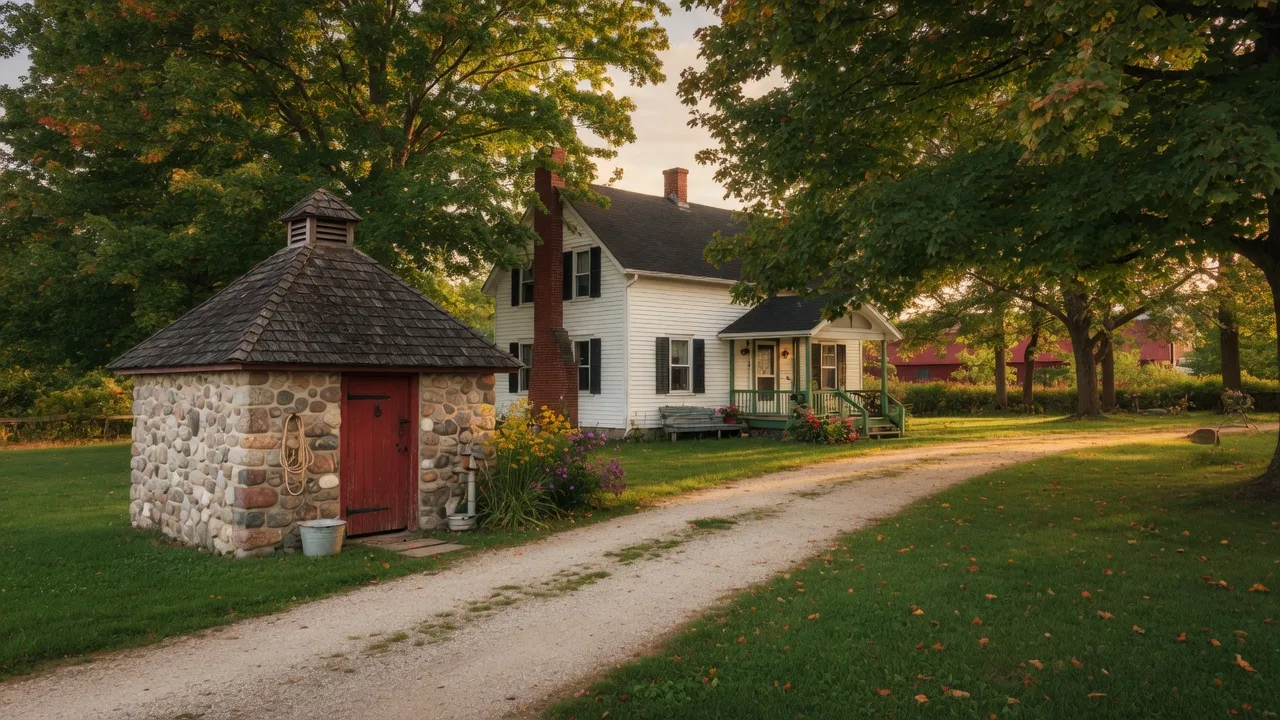
If you own a rural home in Durham Region or are thinking about buying one, well water maintenance is one of the most important responsibilities you will have. Most country properties in Port Perry, Brock Township, rural Uxbridge, and throughout Scugog Township rely on private wells for their drinking water. Understanding how to maintain your well, what to test for, and how much repairs cost can protect your family's health and your property's value.
Key Takeaways
- The Durham Region Health Department offers free well water testing for bacteria at least three times per year. Testing is the single most important step in well maintenance.
- Drilling a new well in Durham Region costs $5,000 to $15,000. Regular testing and basic maintenance cost a fraction of that and can extend the life of your well by decades.
- When buying a rural property, always include a well water testing condition in your offer. Most lenders now require a clear water test before approving rural property financing.
- Well depths in Durham Region range from 80 feet in Port Perry to over 300 feet on the Oak Ridges Moraine in Uxbridge. Depth affects both water quality and maintenance costs.
Why Well Water Matters for Durham Region Homeowners
Rural living in Durham Region comes with many rewards: space, privacy, stunning natural surroundings, and a slower pace of life. But it also comes with responsibilities that city homeowners never think about. One of the most important is ensuring that your drinking water is safe, clean, and reliable.
Thousands of homes in Port Perry, Brock Township, rural Uxbridge, and across Scugog Township rely on private groundwater wells for their water supply. Unlike municipal water systems that are tested and treated continuously by the Region, your well water is your responsibility. From the moment you take ownership of a rural property, you are the one who needs to test it, treat it, and maintain the entire system.
Over our 30 years helping families buy and sell rural homes in Port Perry, throughout Brock Township, and across Uxbridge, we have seen too many buyers assume that a well is a set-it-and-forget-it system. It is not. This guide covers everything you need to know about well water maintenance, testing, common problems, and what to do when you are buying or selling a property with a well.
How a Private Well Works
A private well system draws groundwater from an underground aquifer through a drilled borehole. The well casing, a steel or PVC pipe that lines the borehole, prevents surface contaminants from entering the water supply. A submersible pump sits at the bottom of the well and pushes water up through a pipe into your home's pressure tank, where it is stored until you turn on a tap.
The quality of your well water depends on several factors: the depth of the well, the geology of the surrounding area, the condition of the well casing and cap, and the proximity of potential contaminant sources like septic systems, agricultural fields, or industrial activity. This is why well depth varies so much across Durham Region. Wells in Port Perry and Scugog Township typically run 80 to 200 feet deep. In Brock Township, depths of 100 to 250 feet are common. On the Oak Ridges Moraine in Uxbridge, where groundwater flows through layers of sand and gravel, wells can reach 100 to 300 feet or more.
Wells and septic systems are the two most critical systems on any rural property. They are independent but closely connected. A failing septic system can contaminate your well water, which is why the Ontario Building Code requires specific separation distances between the two. When you buy a rural property, you should test both at the same time.
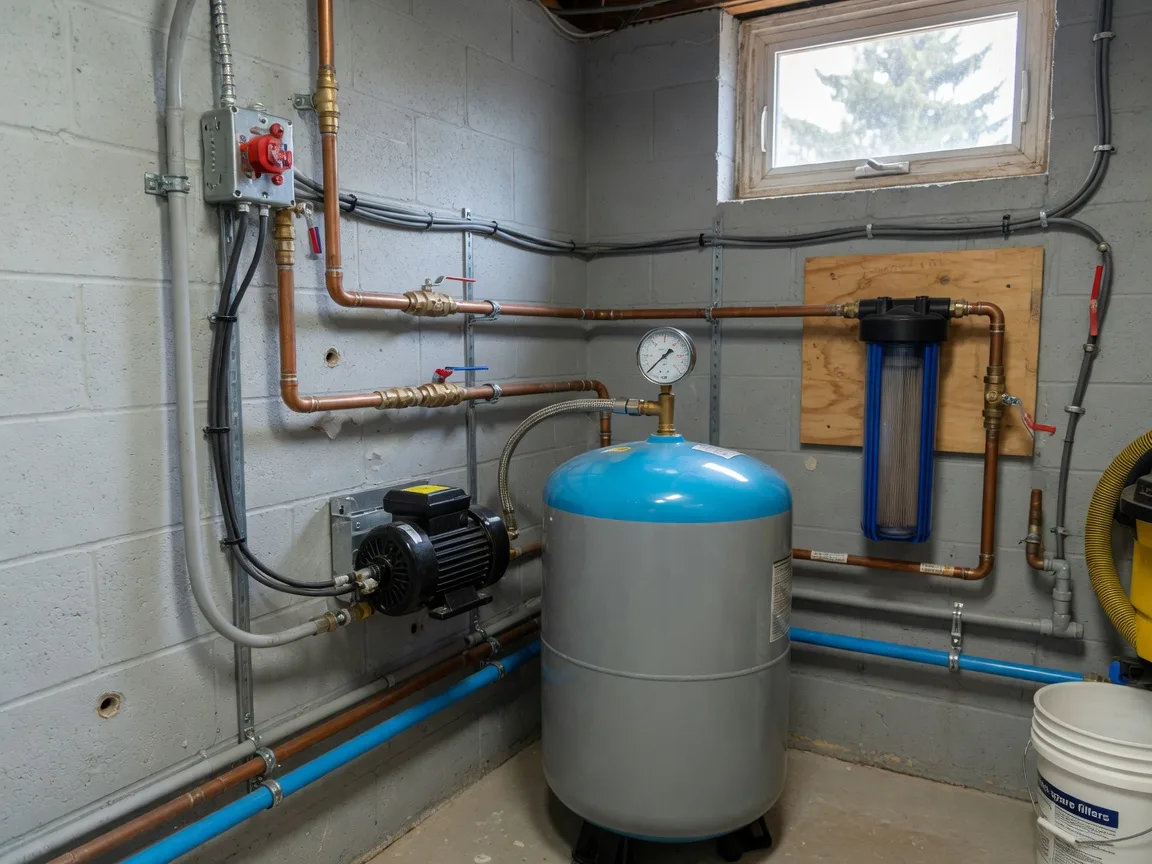
Well Water Testing: What Every Owner Needs to Know
How Often Should You Test Your Well Water?
The Durham Region Health Department recommends testing your well water at least three times per year: once in the spring, once in the summer, and once in the fall. Testing is free when you use the Health Department's program, and it covers the most common and dangerous contaminants: total coliform bacteria and E. coli.
Coliform bacteria are naturally present in soil and the environment, but their presence in your well water can indicate that surface water is entering the well through a cracked casing, an unsealed well cap, or poor construction. E. coli is a more serious indicator of fecal contamination, which can come from septic system failure, livestock, or wildlife. Both should be taken seriously.
Additional testing for nitrates, lead, arsenic, iron, manganese, and hardness is recommended if you notice changes in taste, colour, or smell, or if someone in your household is pregnant, elderly, or has a compromised immune system. The Durham Region Health Department well water page provides detailed guidance on what to test for and how to submit samples.
How to Get Your Well Water Tested in Durham Region
The process is straightforward. You pick up a free testing bottle from any Durham Region Health Department location, including the Port Perry office. You fill the bottle from a cold water tap that has not been used for at least six hours, following the collection instructions carefully. You return the sample to the Health Department within 48 hours, keeping it cool and out of direct sunlight. Results are typically available within three to five business days.
There are also private laboratories in Durham Region that offer comprehensive water testing packages for a fee. These tests can screen for dozens of contaminants including heavy metals, pesticides, volatile organic compounds, and petroleum products. A comprehensive test costs $200 to $500 depending on the scope and is money well spent when you are buying a new property or suspect contamination.
Quick Test Checklist
- Test for bacteria three times per year (spring, summer, fall)
- Test for nitrates annually, especially near agricultural land
- Test for additional contaminants if water changes taste, colour, or smell
- Always test before buying a rural property
- Keep a record of all test results for your property file
Common Well Water Problems in Durham Region
Hard Water
Hard water is the most common well water complaint across Durham Region. It is caused by high levels of calcium and magnesium dissolved in the groundwater. Hard water leaves mineral deposits on fixtures and glassware, reduces the effectiveness of soaps and detergents, and can shorten the lifespan of water-using appliances. A standard water softener solves the problem for most homes and costs $800 to $2,500 installed.
Iron and Manganese
Many wells in Durham Region have elevated levels of iron and manganese. These minerals cause reddish-brown or black staining on fixtures, laundry, and appliances. They also give water a metallic taste and can clog pipes over time. Treatment options include an iron filter system, a water softener with iron-removing capability, or aeration and filtration systems. Treatment costs typically range from $1,500 to $5,000 depending on the severity and the system chosen.
Bacterial Contamination
Bacterial contamination is the most serious well water issue and the most common reason wells fail a water test. In many cases, the contamination is caused by a surface source: a cracked well cap, a poorly sealed casing, or surface water pooling around the wellhead. Simple fixes like replacing the well cap or regrading the area around the well to divert surface water can resolve the problem. In more serious cases, the well may need to be shock chlorinated, a process where a high concentration of chlorine is introduced into the well to kill all bacteria. Licensed well contractors in Durham Region perform shock chlorination for $300 to $600.
Hydrogen Sulfide (Rotten Egg Smell)
A rotten egg smell is caused by hydrogen sulfide gas, which can come from naturally occurring sulfur bacteria in the groundwater or from chemical reactions inside the well or plumbing. In most cases a water softener or an activated carbon filter resolves the odour. For persistent cases, a chlorination treatment or a dedicated sulfur removal system may be needed. The Durham Region Health Department can recommend treatment options based on your test results.
Well Maintenance Costs Every Rural Homeowner Should Know
Here are the typical costs associated with well ownership in Durham Region. These figures are based on current market rates from licensed well contractors serving Port Perry, Brock, Uxbridge, and the surrounding areas.
| Service | Typical Cost | How Often |
|---|---|---|
| Free bacterial testing | Free (Durham Region) | 3 times per year |
| Comprehensive water test | $200 to $500 | As needed |
| Shock chlorination | $300 to $600 | When bacteria detected |
| Well cap replacement | $150 to $400 | As needed |
| Water softener installation | $800 to $2,500 | One-time |
| Iron filter system | $1,500 to $5,000 | One-time |
| Pump replacement | $1,000 to $3,000 | Every 10-15 years |
| Pressure tank replacement | $500 to $1,500 | Every 10-15 years |
| New well drilling | $5,000 to $15,000 | One-time (rare) |
Well Water and Your Home Purchase
What Buyers Need to Know
If you are buying a rural property in Durham Region, a well water test should be a non-negotiable part of your due diligence. Most lenders in Canada now require a clear water test before approving financing on a property with a private well. Even if your lender does not require it, testing protects you from buying a property with water quality issues that could cost thousands to fix.
Here is the process we recommend to every buyer looking at rural properties in Port Perry, Brock, or Uxbridge:
- Include a well water testing condition in your offer to purchase. Your agent will help you draft the right wording.
- Request any available well records from the seller, including the well drilling log, past test results, and maintenance records.
- Check the well record with the Ministry of the Environment, Conservation and Parks. Wells drilled after 1996 are recorded in the provincial well database.
- Have the water tested by the Durham Region Health Department for bacteria as a baseline.
- Consider a comprehensive private laboratory test if the property is near agricultural land, has an older well, or if you have specific health concerns.
- Test the flow rate to ensure the well produces enough water for your household's needs.
For a complete overview of what goes into a rural home purchase, our buyer's checklist covers every step of the process from pre-approval to closing. And for a look at what your budget gets you in different parts of the region, read our guide to what $800,000 buys across Durham Region.
What Sellers Need to Know
If you are selling a rural property, having recent well water test results ready for buyers gives you a significant advantage. A clean test removes a common negotiating hurdle and shows that you have taken good care of the property. Buyers and their agents see a well-documented maintenance history as a sign of a well-managed home.
If your well water has known issues, addressing them before listing is almost always better than negotiating during a sale. A $500 water treatment system installation is far easier to manage than a buyer walking away from a deal over water quality concerns. Our seller's guide covers everything you need to prepare your rural property for the market.
Looking at rural properties in Durham Region or preparing to sell one? We have guided hundreds of buyers and sellers through well water testing, rural property negotiations, and everything in between. Book a free consultation to talk about your goals.
Book a Free ConsultationWinter Well Care for Rural Homes
Winter in Durham Region brings unique challenges for well owners. Frozen pipes, damaged well caps, and power outages that affect well pumps are all real risks from November through March. Here is how to protect your well system during the cold months:
- Insulate exposed pipes in crawl spaces, basements, and well houses before freezing weather arrives.
- Ensure your well cap is secure and properly sealed to prevent snowmelt and ice from entering.
- Keep heat tape or pipe insulation on any above-ground well components.
- If you have a well house, ensure it is properly insulated and heated to at least 4 degrees Celsius.
- Know how to shut off your water at the pressure tank in case of a burst pipe.
- Consider a backup generator if you rely on a well pump and have experienced power outages in the past.
A frozen well line can be expensive to repair, with thawing services costing $300 to $600 and pipe repair adding more. Prevention is far cheaper than the cure. If you are buying a rural home in late autumn or winter, make sure the well system is evaluated for cold-weather readiness during your home inspection.
Frequently Asked Questions About Well Water Maintenance
How often should I test my well water in Durham Region?
Do I need a well water test when buying a home in Port Perry or Brock?
How much does a new well cost in Durham Region?
What causes well water to smell like rotten eggs?
How deep are wells in Durham Region?
Keith Williams
Broker, Willows Realty Group at Royal LePage Frank Real Estate. With 30 years in Durham Region real estate, Keith and his partner Lisa C. Follows have helped over 1,000 families buy and sell homes across Port Perry, Uxbridge, Brock, and beyond. They hold advanced designations including Master Certified Negotiation Expert (MCNE), Certified Luxury Home Marketing Specialist (CLHMS), and Seniors Real Estate Specialist (SRES). Keith and Lisa are also the founders of the Port Perry Bulletin community Facebook group and website, connecting over 23,000 members across North Durham.
About Keith & LisaNever Miss a Story
Add us as a Preferred Source on Google to see more of our content in AI Mode and AI Overviews.
Add as a Preferred Source