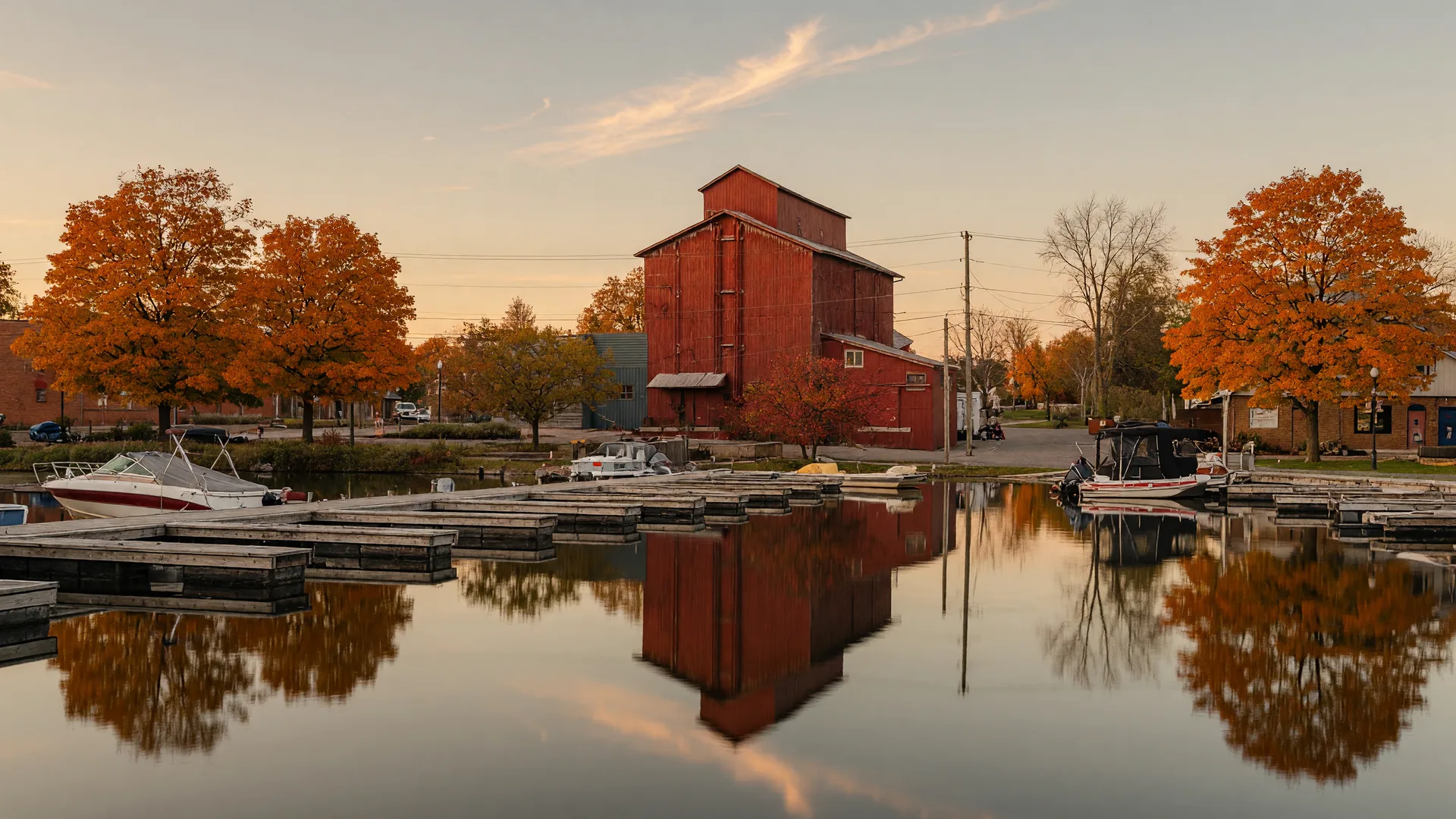
What does waterfront property on Lake Scugog really cost to own? The purchase price is only the first number. Between the Parks Canada permit for the dock, waterfront insurance, septic and well upkeep, shoreline maintenance, and higher property taxes, owning a Lake Scugog waterfront home can add $5,000 to $12,000 or more per year beyond the mortgage before any unexpected repairs, and knowing those costs before you offer is what separates a confident waterfront purchase from a first year of surprises.
Key Takeaways
- Lake Scugog covers roughly 68 square kilometres with about 172 kilometres of shoreline, and 2025 waterfront listings across the lake ranged from about $600,000 to more than $2 million. There is no official board average for waterfront alone.
- Almost everything at the waterline needs permission: docks, boathouses, boatlifts, swim rafts, shoreline rip-rap, and even dredging all require a Parks Canada in-water and shoreline works permit under the Historic Canals Regulations.
- The lake is shallow, about 1.4 metres deep on average, and its water levels are managed by the Parks Canada dam and lock at Lindsay. That shapes everything from weed growth in the shallows to whether your dock floats in a dry August.
- Waterfront ownership runs the systems other homes never see: a septic inspection at $300 to $600 (a replacement runs $15,000 to $40,000 or more), well water testing a few times a year, higher home and boathouse insurance, and shoreline upkeep.
- Verify what is actually permitted before you offer. An unpermitted boathouse or an oversized dock is a negotiation point now and a compliance headache after closing.
What Does Waterfront Property on Lake Scugog Cost?
Start with an honest number: there is no official waterfront-only average for Lake Scugog, because the published figures cover all home types in Scugog Township, and those all-home averages swing hard from month to month. Waterfront listings on the Durham shoreline of the lake in 2025 ranged roughly from $600,000 to more than $2 million, depending on frontage, location, and condition. As a rule of thumb, well-located waterfront on the Port Perry side commands a premium over similar frontage in the quieter corners of the lake, which is what makes a local broker who tracks actual lake sales so valuable.
What actually drives the price is frontage measured in feet, water depth at the end of the dock, orientation to the sun, the condition of the boathouse, the age of the septic and well, and access: a year-round road versus a seasonal lane changes the market entirely. For a full map of the lakeshore communities, from Port Perry and Caesarea to Manchester, Seagrave, and Scugog Island, read our guide to living on Lake Scugog, and for the wider picture of the town and its real estate, start with our Port Perry community guide. Region-wide, the September 2026 CLAR report put the Durham average selling price at $829,993, which our 2026 Durham Region market update unpacks in detail, but waterfront is its own market within that market.
The Parks Canada Permit Most Buyers Forget
Lake Scugog is not an ordinary municipal lake. It is part of the Trent-Severn Waterway National Historic Site, and Parks Canada administers the bed and waters of the entire waterway. That single fact shapes every ownership cost that touches the water. Under the Historic Canals Regulations and Parks Canada in-water and shoreline works permitting, almost all work on, under, or over the lake requires a permit: installing, repairing, replacing, moving, or removing a dock (temporary or permanent), boathouse, boatport, boatlift, swim raft, launch ramp, or marine railway, plus shoreline stabilization such as rip-rap, dredging, and removal of aquatic vegetation.
For buyers, the practical takeaway is to ask for the permits. The dock and boathouse in the listing photos may have been installed years before the current rules were enforced, or may never have been permitted at all. A permitted structure is an asset; an unpermitted one is a negotiation point before you sign and a compliance issue after you close, because you become responsible for it. Our waterfront buying guide flags the same issue from the offer side, and it is one of the first things we check when we tour a Lake Scugog property with a client.
Septic, Well, and Every System Under the Yard
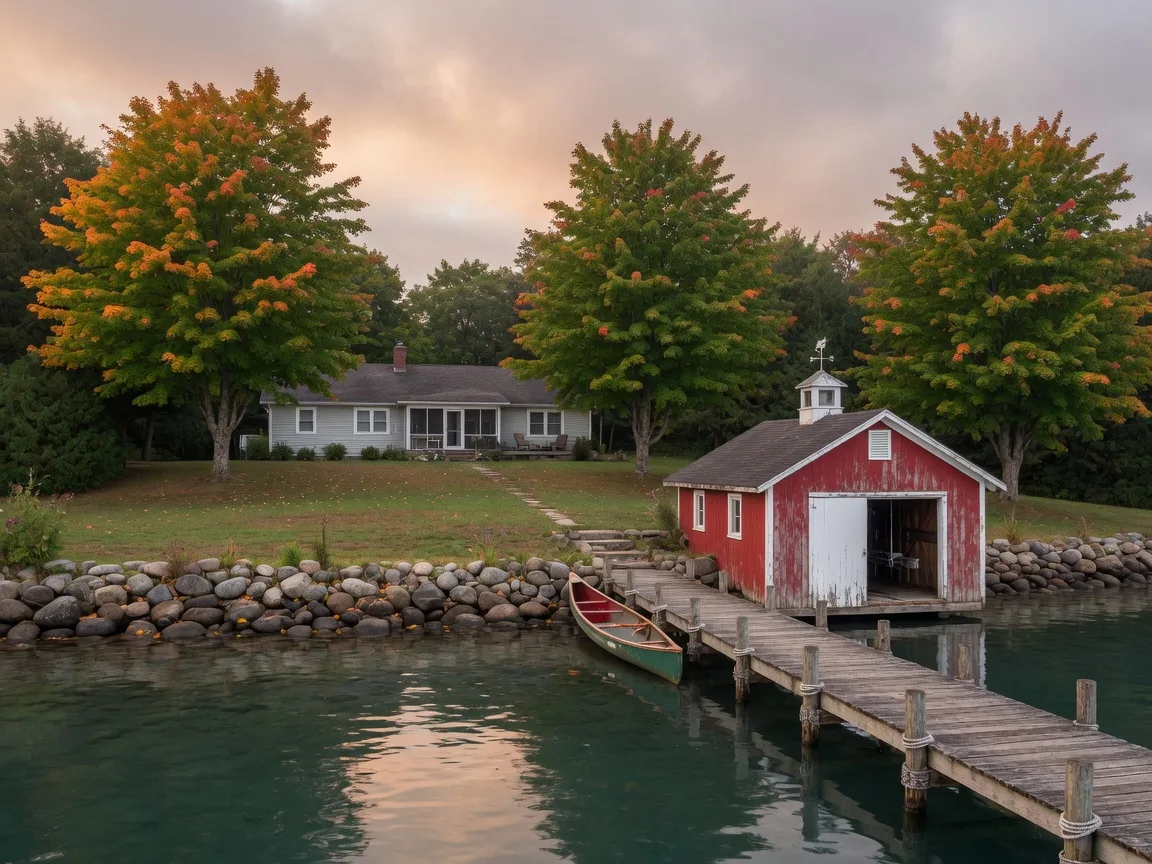
Most Lake Scugog waterfront homes sit outside the serviced core of Port Perry, which means they run on a private septic system and often a private well. These are the biggest hidden costs in waterfront ownership, and they are also the most avoidable if you inspect before you buy. A pre-purchase septic inspection typically runs $300 to $600 and can save you $15,000 to $40,000 or more by flagging a failing system before it becomes yours, the same numbers we outline in our guide to septic system basics for Durham homebuyers.
Once you own the place, the rhythm is steady, not dramatic: have the septic pumped every three to five years, keep the tank lid accessible, and watch for soft ground or slow drains near the field. Well water should be tested a few times a year, especially in spring after the thaw and after any flood events, and waterfront wells near a shallow lake deserve the same attention as country wells in Brock or Uxbridge. Our well water maintenance guide covers the testing schedule, the treatment options, and what buyers should ask for in the conditions. Hydro and heating complete the list: a larger home plus a heated boathouse or winterized dock structure can push seasonal bills well past what an in-town house of the same size would use.
None of this should scare a buyer away. It should just be in the budget. The buyers who handle waterfront best treat the septic, well, and shoreline like part of the price tag, then plan for them the way they plan for property tax, which is exactly what our step-by-step buyer checklist helps you organize before you start touring.
Insurance, Property Taxes, and the Line Items Nobody Enjoys
Waterfront insurance costs more than standard home insurance for four reasons: higher rebuild values for lake-adjacent construction, wind and ice exposure, liability around docks and swimmers, and coverage questions around shoreline structures. Get quotes for the home, the boathouse, and the dock structures together before you offer, and ask specifically about ice damage and liability, because those are the claims that matter on a lake. As many as 8.3 percent of Durham Region residents live in rural areas, most of them in the northern townships of Scugog, Brock, and Uxbridge documented in Statistics Canada's 2021 Census profile for Durham Region, so this is not an exotic corner of the market. It is a normal, well-understood one.
Property taxes are the other quiet line item. Waterfront assessments reflect the lake premium: more frontage and a deeper lot usually mean a higher assessed value, and therefore higher taxes, than a comparable in-town lot, even when the house itself is similar. Ask your agent for the current tax bill and the assessment roll number before you write an offer, then project the number forward. Shoreline maintenance completes the picture: erosion, rip-rap, vegetation management, and any retaining wall work are all regulated, and Kawartha Conservation and the Township of Scugog have a say in what happens at the water's edge. Budget for the shoreline the way you budget for a roof, because both eventually need attention.
Water Levels, Weeds, and Winter on a Shallow Lake
Lake Scugog is a shallow lake, about 1.4 metres deep on average and roughly 7.6 metres at its deepest, and its name comes from an Ojibwe word meaning marshy waters. Shallow water warms quickly in summer, which swimmers love, but it also grows weeds, and aquatic vegetation in the shallows varies from year to year depending on the season. Ask the seller which areas near the dock and swim area need management, and whether any work has already been done.
Water levels on Lake Scugog are managed by the dam and lock at Lindsay, operated by Parks Canada as part of the Trent-Severn system. The dam holds levels up for navigation in summer and opens up in spring for flood control, which means the water at the end of your dock in August is not a number you can take for granted from the listing. In a dry summer, shallow coves that held a boat in June can be marginal by August, so water depth at the dock, in the month you actually plan to boat, is a question worth asking early.
Winter is the season that surprises new waterfront owners. Docks come out or get de-iced, boats get shrink-wrapped or stored, and hydro bills for boathouse heaters or heated water lines climb fast. The compensation is the lake in January: ice fishing, skating, snowmobiling across the bay, and the quiet that falls over country living in Durham Region. Seasonal rhythm is part of the point of owning the lake, and planning for it makes it a pleasure instead of a bill.
How to Budget Like a Local Before You Offer
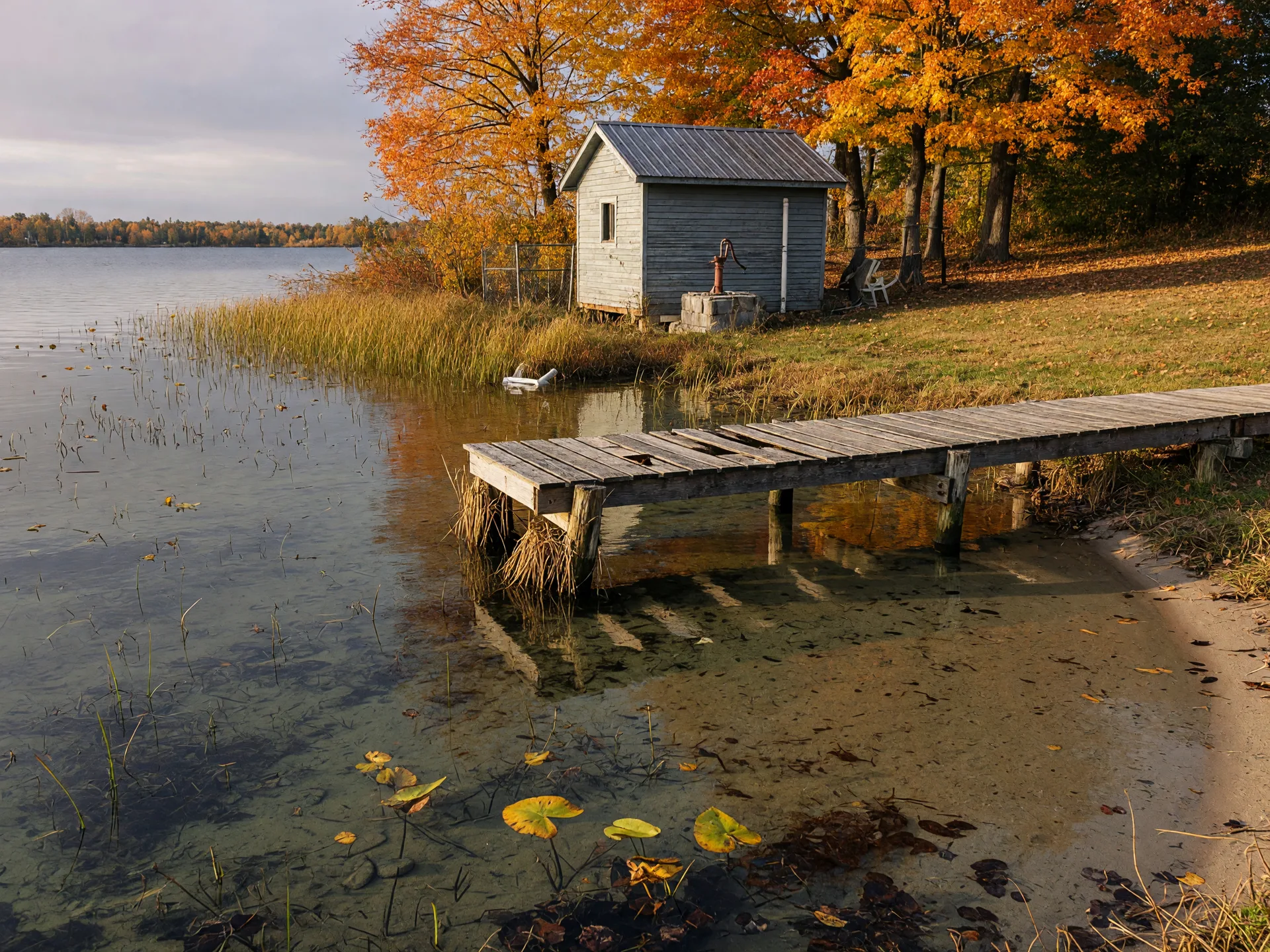
Put the two columns together and a Lake Scugog waterfront purchase looks like this. One-time costs on closing: land transfer tax, legal fees, a full home inspection, a separate septic inspection, a well water test, and a shoreline and permit review of every dock and boathouse. Annual costs after you settle in: property tax, insurance, hydro and heating, septic pumping every three to five years, well testing, dock and boathouse upkeep, shoreline maintenance, and a winter storage line. Add it up honestly, and an annual waterfront budget in the $5,000 to $12,000 range beyond the mortgage is a realistic working number for many Scugog properties, before any renovation.
The way to make all of this concrete is local evidence: recent sales of comparable waterfront on the lake, the actual tax and insurance numbers for the property you are considering, and a walk of the shoreline with someone who has done this before. You can get the sale evidence yourself with a free home valuation from our team, and you can bring your checklist to the table with our buyer preparation checklist.
Keith Williams and Lisa C. Follows have spent over 30 years in Durham Region real estate and helped more than 1,000 families buy and sell, including many waterfront purchases on Lake Scugog and the Kawartha Lakes. We know which docks are permitted, which coves hold their water, and which shorelines are worth every dollar. Contact our team before your first tour and we will help you build the real budget, not just the asking price, for the waterfront home you want.
Looking at waterfront property on Lake Scugog? We will walk the shoreline with you, check the permits, pull the comparables, and build the true ownership budget before you write an offer. Book a free, no-pressure consultation and let us get started.
Book a Free ConsultationFrequently Asked Questions About Owning Waterfront on Lake Scugog
How much does it cost to own waterfront property on Lake Scugog?
Do I need a permit for a dock on Lake Scugog?
How much do waterfront homes on Lake Scugog cost?
Is Lake Scugog good for swimming and boating?
What should I check before buying a Lake Scugog waterfront home?
Keith Williams
Broker, Willows Realty Group at Royal LePage Frank Real Estate. With 30+ years in Durham Region real estate, Keith and his partner Lisa C. Follows have helped over 1,000 families buy and sell homes across Port Perry, Scugog, Uxbridge, Brock, and the Lake Scugog shoreline. Keith curates the local guides on this site, from waterfront buying and country living to downsizing and estate sales, so North Durham families get straight answers grounded in the market they actually live in.
About Keith & LisaNever Miss a Story
Add us as a Preferred Source on Google to see more of our content in AI Mode and AI Overviews.
Add as a Preferred Source