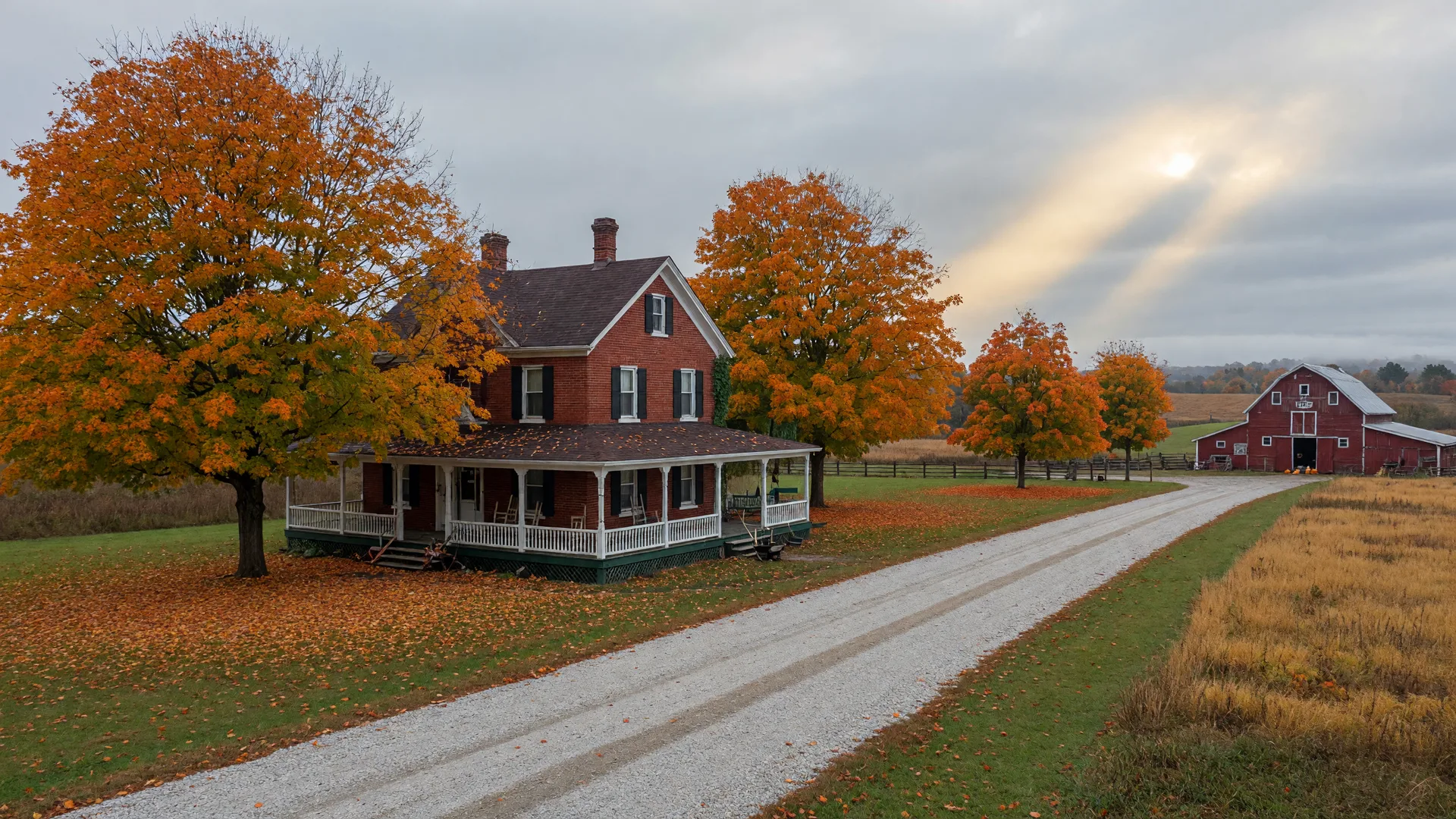
What does an estate trustee need to know before selling a deceased person's home in Ontario? The estate trustee, still often called the executor, takes legal authority over the estate's assets, arranges probate when the estate needs it, pays the Ontario estate administration tax, and then manages the sale of the home for the benefit of the beneficiaries. Done in the right order, an estate sale is a series of manageable steps; done in the wrong order, it can stall for months, cost the estate money, and strain the family.
Key Takeaways
- The estate trustee is a fiduciary: they must act honestly, in good faith, and in the best interests of the beneficiaries, not their own convenience.
- Probate, the certificate of appointment of estate trustee, is typically needed when an estate includes real estate, and Ontario charges estate administration tax of $15 per $1,000 on estate value above $50,000, with no tax on the first $50,000.
- A professional appraisal and a clear title protect the estate and every beneficiary, and pricing from memory is the most common estate mistake.
- Tax matters, including a possible capital gain on the date of death and the estate's final returns, should be handled with a qualified professional before any funds are distributed.
- Keep the property maintained, secured, and insured from day one, because an estate home that sits untouched loses appeal and value while the carrying costs continue.
What Does an Estate Trustee Actually Do?
When someone dies, someone has to step in and finish their affairs. If there is a will, the estate trustee named in it, the role most people still call the executor, takes charge. If there is no will, a family member applies to the court to be appointed estate trustee without a will. The estate trustee collects the assets, pays the debts, taxes, and expenses, sells or distributes what needs to be sold, and eventually transfers what remains to the beneficiaries.
That role carries a fiduciary duty: the estate trustee must act honestly, in good faith, and in the best interests of the beneficiaries. The Government of Ontario's administering estates page walks through the role step by step, from reading the will to winding up the estate, and it is the official starting point for anyone new to the job. For the pieces that concern the family home, our guide to selling an estate property in Port Perry shows how the process plays out in a single Durham Region community; this guide keeps the lens on the trustee's duties across the whole province of Ontario.
When Is Probate Needed, and What Is the Estate Administration Tax?
The word probate still confuses everyone, so here is the plain version. For most estates that include real estate, the estate trustee applies to the Superior Court of Justice for a certificate of appointment of estate trustee, the document many people still call letters probate, and the certificate is what gives the trustee the legal authority to sign a listing agreement, accept offers, and transfer title to the buyer. Ontario's online application process for the certificate is described on the province's apply for probate of an estate page.
The cost attached to that certificate is the Ontario estate administration tax, set by the province and identical everywhere in Ontario. There is no tax on the first $50,000 of estate value, then $15 per $1,000, or 1.5 percent, on the value above $50,000, with no cap. A $700,000 estate pays about $9,750 before other costs, and a $1 million estate pays $14,250. The tax is paid out of the estate when the trustee applies. The Government of Ontario's estate administration tax page sets out the current rate and how the deposit works.
Two practical notes. First, the tax applies to the value of the assets that require the certificate, which for most families means the full value of the home plus other estate assets, not just the equity after the mortgage. Second, one deadline to keep in mind: an Estate Information Return must be filed with the province within 180 days of the certificate being issued, which is why organized paperwork from day one matters.
Why a Professional Appraisal and Clear Title Matter
Two things protect everyone in an estate sale: a defensible value and a clean title. The value starts with a professional appraisal and an analysis of recent comparable sales, not with the figure a parent mentioned years ago or what the neighbours were paid in a hotter market. A current, independent number matters for the asking price, for the estate administration tax calculation, and for the family's equal treatment of the beneficiaries. You can request a free home valuation from our team to see where your estate property sits in today's Durham Region market.
Clear title means the buyer's lawyer can confirm no hidden claims against the property: an outstanding mortgage, a lien, unpaid property taxes, easements, or old registrations that need sorting. The estate's lawyer orders the title search early, and the seller's checklist we provide in our step-by-step seller checklist includes the same account items every estate faces: mortgage discharge, property tax accounts, utility transfers, and keeping insurance in force.

A Realistic Timeline for an Estate Sale
The biggest mistake estate trustees make is assuming the home can be listed the week after the funeral. The realistic sequence runs in two tracks at once: the legal track, where the certificate, the mortgage details, and the tax clearances are sorted out over weeks to months depending on the estate and the courts, and the market track, where the home is prepared, priced, and listed.
Those tracks do not have to run one after the other. The estate can prepare the home and go to market before the certificate arrives, as long as offers are written conditional on the certificate being obtained by a set date, a routine condition in estate sales. What should never be rushed is the paperwork: the Canada Revenue Agency clearance certificate, the final step before funds are distributed to beneficiaries, takes time to arrive, so the trustee applies for it early rather than waiting until the closing is weeks away.
While the legal track moves, the market track should not stall. An estate home that sits closed and untouched for months loses appeal, and the hidden costs of waiting to sell keep accruing in insurance, utilities, property taxes, and upkeep. Our Port Perry estate guide covers how quickly a well-priced estate home can sell once it is truly ready.
Tax Matters: Capital Gains, the Final Return, and Getting Advice
Death is a tax event in Canada. For tax purposes, the deceased person is treated as having disposed of their property at fair market value immediately before death, a rule called the deemed disposition, and any capital gain is reported on the deceased person's final tax return. The estate then acquires the property at that same fair market value. The principal residence exemption can shelter the gain on a family home that qualifies, while a cottage, rental property, or land may produce a taxable gain, and an estate that earns income during administration may need its own trust return.
The Canada Revenue Agency's guidance on capital gains when someone has died explains the rules in plain terms, and this is exactly where the phrase "consult a qualified professional" applies with real force. An accountant who works with estates should be on the team before the home is sold, not after the proceeds are in the bank, because the choices made around the sale can shape what the estate owes and what the beneficiaries receive.
Preparing and Maintaining the Property During the Sale
An empty home still needs to be run like a home. Keep the insurance active, the utilities on enough to keep the property safe and showable, and the basic maintenance done: the lawn mowed, the walkways cleared, the furnace maintained, and the windows given light and air on showing days. In country properties across Durham Region, the well and septic systems are exactly what buyers will be checking, and our guides to well water maintenance and septic system basics cover what a trustee should know before listing acreage.
Presentation follows maintenance. Estates benefit from the same professional preparation as any listing: decluttering, a deep clean, minor repairs that create disproportionate return, professional photography, and honest pricing. A broker experienced with estates stages the home so buyers can imagine a new family in it, plans showings tactfully on a schedule the trustee can manage, and keeps the family informed at every step rather than making decisions in a vacuum.
How an Experienced Real Estate Team Supports Estate Sales
The value an experienced team adds to an estate sale shows up long before showings begin: building the valuation picture, coordinating with the estate lawyer and accountant, preparing the home, pricing it against recent sales in the right community, and then managing everything through to a smooth closing. Around Port Perry, Scugog, Uxbridge, and Brock, that local market knowledge is what turns a stressful family obligation into a clean sale. The planning side of the story, why the will, powers of attorney, and title structure matter before they are ever needed, is covered in our guide to estate planning and real estate in Durham Region, and the trustee side continues in our Port Perry estate property guide.
If you have been named estate trustee for a home in Durham Region or elsewhere in Ontario, you do not have to figure this out from a folder of papers. An experienced team has walked estates through the certificate process, the tax picture, the family meetings, and the closing countless times, and we treat each home the way the family would want it treated: with respect, patience, and a plan.
Acting as estate trustee for a home in Ontario? We will help you value the property, coordinate with your lawyer and accountant, prepare and stage the home, and keep the family informed at every step from valuation to closing. Book a free, no-pressure consultation and let us take the real estate off your plate.
Book a Free ConsultationFrequently Asked Questions About Selling an Estate Property in Ontario
Do I need probate to sell the house as an estate trustee?
How much is the Ontario estate administration tax?
Can the estate list the home before probate is granted?
Who decides the price of an estate property?
When is a CRA clearance certificate needed?
Keith Williams & Lisa C. Follows
Brokers and co-founders of Willows Realty Group at Royal LePage Frank Real Estate. With 30+ years in Durham Region real estate, Keith and Lisa have helped over 1,000 families buy and sell homes across Port Perry, Scugog, Uxbridge, Brock, and beyond. They hold advanced designations including Master Certified Negotiation Expert (MCNE), Seniors Real Estate Specialist (SRES), Accredited Buyer's Representative (ABR), and Certified Luxury Home Marketing Specialist (CLHMS), and they guide families through special transitions such as estate sales, probate listings, and moves involving elderly parents.
About Keith & LisaNever Miss a Story
Add us as a Preferred Source on Google to see more of our content in AI Mode and AI Overviews.
Add as a Preferred Source