
How do you sell an estate property in Port Perry? Selling an estate property in Port Perry means an executor or estate trustee prepares and lists a home that belonged to someone who has died or can no longer manage their own affairs, and it layers real legal steps on top of a normal sale: estate administration (often called probate), the Ontario estate administration tax, a tax clearance certificate, and decisions that may rest with several family members. Done in the right order, an estate home in Scugog Township sells just like any other, and most of the stress comes from not knowing that order.
Key Takeaways
- Ontario's estate administration tax is $15 per $1,000 (1.5 percent) on the value of an estate above $50,000, with no tax on the first $50,000: a $500,000 estate pays $6,750 and a $1 million estate pays $14,250, per the Government of Ontario.
- An estate certificate (often called letters probate) from the Superior Court of Justice gives the executor legal authority to sell, and a listing can start before it arrives as long as offers are conditional on it.
- The Canada Revenue Agency must issue a clearance certificate before estate funds are distributed, and mortgage, property tax, utility, insurance, and beneficiary details should all be sorted out before the home is listed.
- Port Perry estate properties typically sell within the town's roughly $700,000 to over $1.2 million range, and pricing the home against recent local sales is the single biggest factor in a smooth, fast sale.
What Does Selling an Estate Property in Port Perry Involve?
An estate property is a home that belongs to a deceased person's estate rather than to a living owner, and selling one is a different job from an ordinary sale. The word gets confusing in North Durham, because the countryside around Port Perry is also filled with "estate homes", which are large acreage properties. If you are shopping for one of those, our guide to estate homes on acreage in Port Perry, Uxbridge, and Brock is the better starting point. This guide is for the other kind: when a parent, partner, or relative has died and someone must sell the family home in Port Perry, Scugog Township, or anywhere else in Durham Region.
The sale itself is not complicated. What makes an estate sale different is the paperwork around it: who has the legal authority to sign, what tax Ontario collects before you get that authority, and what the Canada Revenue Agency needs to see before funds can be released to the family. Every estate follows the same basic path, and once you understand the path, the rest is market work we do every week.
The Generational Wealth Transfer Is Already Reaching Port Perry
If you have recently lost a parent or older relative, you are part of the largest transfer of wealth in Canadian history. CPA Canada reported in 2023 that roughly $1 trillion was expected to pass from baby boomers to their children and grandchildren between 2023 and 2026, and it described it as the biggest generational transfer of wealth the country has ever seen. Read the CPA Canada analysis for the full picture.
Durham Region is deep in that wave. The 2021 Census counted 111,075 residents aged 65 and older, about 15.9 percent of the population, and Scugog sits well above the regional average at 24.2 percent. That concentration means a steady flow of estate sales in Port Perry and across Scugog, Uxbridge, and Brock, and it also means most families here are handling an estate for the first time. You are not expected to know the process by heart.
First Steps for the Executor or Estate Trustee
The first job is confirming who has the authority to act. If there is a will, the estate trustee named in it, the role most people still call the executor, takes charge. If there is no will, a family member applies to the court to be appointed estate trustee without a will. For estates that include real estate, the trustee usually needs a Certificate of Appointment of Estate Trustee from the Superior Court of Justice, the certificate many people still call letters probate.
Applying is a paperwork exercise: the will if there is one, a list of the estate's assets and debts, and the estate administration tax. The certificate is what lets you sign listing agreements, accept offers, and transfer title to a buyer. Before you start, read the will for instructions about the property, tell the other beneficiaries what you are doing, and make sure the home insurance stays active. An empty house is still the estate's responsibility.
How Much Does Estate Administration Tax Cost in Ontario?
The Ontario estate administration tax, often called probate fees, is set by the province and is the same everywhere in Durham Region. There is no tax on the first $50,000 of estate value, then $15 per $1,000, or 1.5 percent, on everything above that, with no cap. The math is easy to run: a $500,000 estate pays $6,750, and a $1 million estate pays $14,250. If the estate is valued at $50,000 or less, there is no tax at all. See the Government of Ontario's official estate administration tax page for current details.
Compared with a Port Perry home in the roughly $700,000 to over $1.2 million range, the tax is a manageable line item, and it is paid once, out of the estate, when the trustee applies for the certificate. Legal fees for obtaining the certificate add to that, but they are a known cost you can get a quote for up front. One deadline to keep: the Estate Information Return must be filed with the province within 180 days of the certificate being issued, so keep every piece of paperwork organized from day one.
Can the Estate List the Home Before Probate Is Done?
Yes, and it is often smart to. The executor can start preparing the home and interviewing brokers as soon as the estate takes shape, before the certificate arrives. Offers are then written conditional on the estate receiving its certificate of appointment by a set date, which protects everyone. In a market where Durham Region's average days on market ran 31 days in CLAR's September 2026 report, waiting months for paperwork before listing can cost the estate money and momentum.
The practical advice we give estates is to use the probate weeks productively: clear the home, make the small repairs that matter, arrange professional photos, and agree on a pricing strategy. When the certificate lands, the home is ready to go on the market immediately. Well-priced, well-presented properties get their strongest activity in the first two weeks, the same pattern we explain in our guide to why some Durham Region homes sell in days while others sit for months.

One caution: do not let the family's timeline drift while you wait. An estate home that sits closed and untouched for months loses its appeal, and the hidden costs of waiting to sell add up in taxes, insurance, utilities, and upkeep exactly as they do for any homeowner, except the estate is paying them.
What Is the Home Worth, and How Should the Estate Price It?
Most estates share one mistake: pricing from memory. The figure a parent mentioned years ago, or the price a neighbour got during a hot market, is rarely what the home is worth today. The honest number comes from recent sales of comparable Port Perry and Scugog properties, and our Port Perry community guide maps the neighbourhoods and housing stock that make up the market. That is why we run a full market analysis before any estate listing. You can request a free home valuation at any time and see the evidence yourself.
Estates also usually price to sell rather than to test the market. The goal is a clean, timely sale so the estate can be settled and the family can move forward, not a long game of waiting for one more dollar. Sellers planning a conventional sale can compare with our step-by-step seller checklist, but expect an estate strategy to favour speed and certainty. And keep in mind that a deceased person's principal residence is typically exempt from capital gains tax, while a cottage, rental property, or land may create a taxable gain the estate owes, so get tax advice before distributing anything.
The Documents, Clearances, and Accounts to Sort Out
A real estate closing needs the title to be clean, which means checking for mortgages, liens, and outstanding property taxes before the listing goes live. The estate's lawyer handles the discharge of any mortgage, the Township of Scugog property tax account must be brought current, and the hydro, water, and gas accounts are transferred so the home stays safe and insurable while it sits on the market.
The step families forget most often is the CRA clearance certificate. The Canada Revenue Agency must confirm the estate's taxes are settled before funds are distributed to beneficiaries, and getting one takes time, so apply early. Until the certificate arrives, the proceeds of the sale sit with the lawyer. Add mail forwarding, cancelling accounts, and reviewing the insurance, and the administration side of an estate is honestly bigger than the sale itself.
Special Situations That Need a Calmer Hand
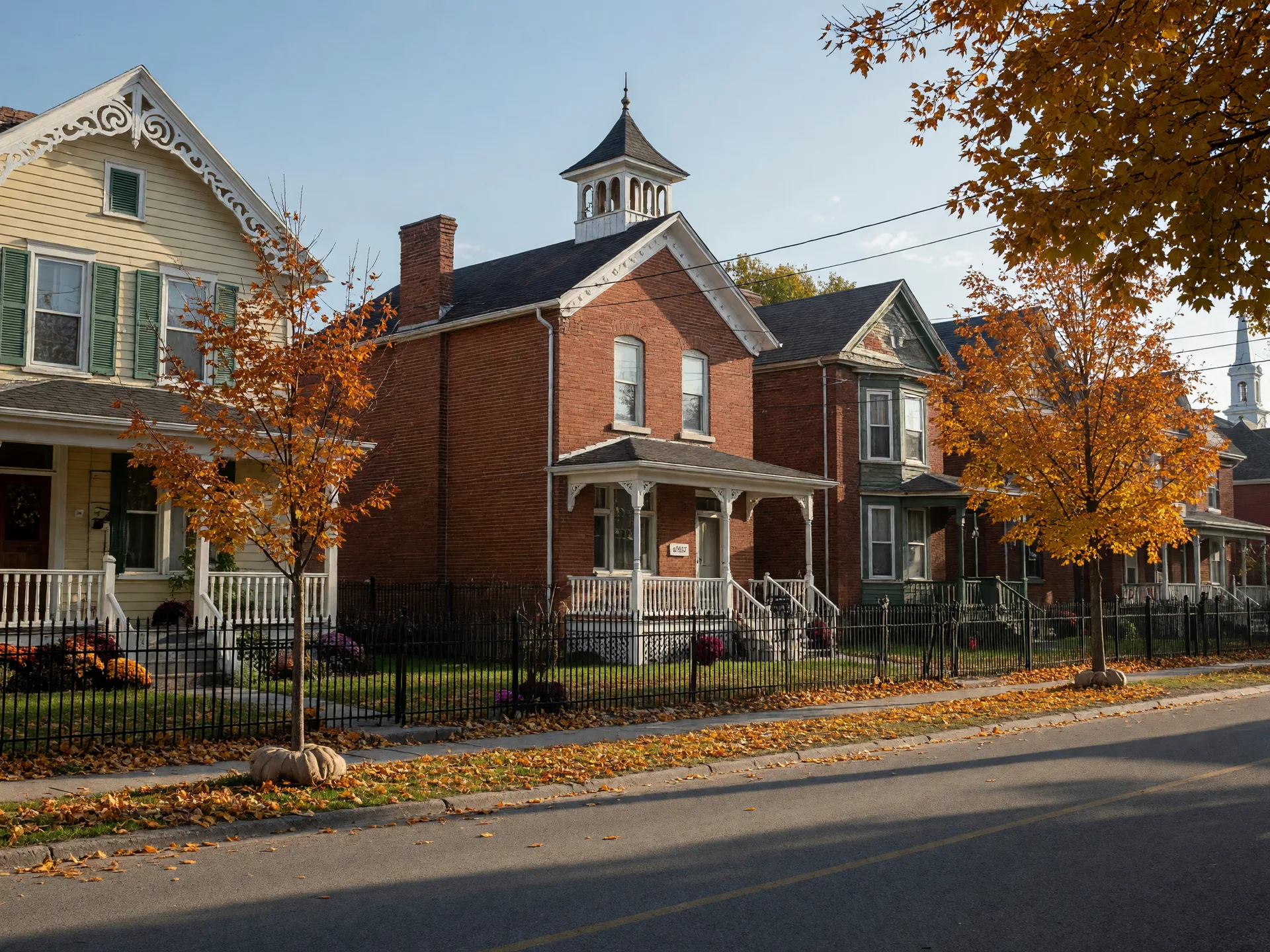
Estate sales in Port Perry are rarely simple, and the ones that look simple often hide the real work. A family home that has stood untouched for years may need serious deferred maintenance, and on acreage around Scugog the well and septic systems are exactly what buyers will be checking. Our guides to country living in Durham Region, well water maintenance, and septic system basics cover what comes up. A heritage home in Port Perry's historic core may also sit in a conservation district, so review our century home guide before planning any changes.
Then there is the human side, which is where a broker's experience matters most. Families coping with grief, several beneficiaries who disagree about price or timing, a parent with dementia, or an estate that has to fund care all have different needs from a typical seller. This is exactly what we mean when we say we guide families through special transitions: estate sales, elderly homeowners still in the home, and properties that need patience and care.
Why Work with a Broker Who Has Done This Before
When the family home goes on the market, you want a broker who understands both the legal sequence and the emotional weight of the week. Keith Williams and Lisa C. Follows have spent over 30 years in Durham Region real estate, helped more than 1,000 families buy and sell, and hold designations including Master Certified Negotiation Expert, Seniors Real Estate Specialist, and Certified Luxury Home Marketing Specialist. We have walked Port Perry estates through everything from probate paperwork to family meetings, and we treat each home the way the family would want it treated: with respect and a plan. Learn more about Keith and Lisa, or start with a private, no-pressure conversation about your situation, and we will tell you plainly what the property is worth, what the timing should be, and who should be doing what.
Managing an estate property in Port Perry or anywhere in Durham Region? We will help you value the home, work through the certificate process, price and list the property, and keep the family informed at every step. Book a free, no-pressure consultation and we will get started.
Book a Free ConsultationFrequently Asked Questions About Selling an Estate Property in Port Perry
What is an estate property sale in Port Perry?
How much is probate tax on an estate in Ontario?
Can an executor sell a house before probate?
Who decides what an inherited home sells for?
How long does it take to sell an estate home in Port Perry?
Keith Williams
Broker, Willows Realty Group at Royal LePage Frank Real Estate. With 30+ years in Durham Region real estate, Keith and his partner Lisa C. Follows have helped over 1,000 families buy and sell homes across Port Perry, Uxbridge, Brock, and beyond. They hold advanced designations including Master Certified Negotiation Expert (MCNE), Seniors Real Estate Specialist (SRES), and Certified Luxury Home Marketing Specialist (CLHMS), and they guide families through special transitions such as estate sales, seniors still living in the home, probate listings, and moves involving elderly parents.
About Keith & LisaNever Miss a Story
Add us as a Preferred Source on Google to see more of our content in AI Mode and AI Overviews.
Add as a Preferred Source